


Reliable Coop Warmth During Sub-Zero Cold Snaps
Freezing overnight temperatures can quickly drop inside an outdoor shelter, threatening poultry health, reducing egg production, and causing painful frostbite on wattles and combs. Maintaining a stable, gentle comfort zone requires balanced heat that does not create fire hazards near dry pine shavings or straw bedding. Selecting the best outdoor heater for chickens depends on assessing your coop dimensions, draft exposure, and electrical access. While supplemental warmth inside an outbuilding differs from standard residential spaces, pairing your setup alongside energy-efficient heating solutions like a compact auxiliary heater inside adjacent storage sheds helps maintain stable utility loads.
Safety features define reliable livestock heaters, especially chew-proof power cords, physical contact guards, and steady thermal regulators. Enclosed chicken coops collect dust and feathers, meaning open heating elements or unshielded heat lamps present serious risks. Radiant heat panels and fan-assisted units designed with protective mesh housings offer controlled supplemental warmth without blasting unmanageable surface temperatures. Comparing stated coverage, wattage capacity, and mounting configurations ensures your birds stay comfortable throughout harsh winter storms without compromising building safety. Exploring a reliable 110v heater option for nearby utility rooms can also streamline your overall winterized power plan.

Pros
- Dual 400W and 800W output settings provide flexible temperature adjustments for mild or severe cold weather
- Ten-foot metal-wrapped chew-proof cord provides essential protection against teething puppies and outdoor animals
- Internal circulation fan prevents stagnant heat accumulation by distributing warmed air throughout the enclosure
- Detachable rear housing makes cleaning pet hair and coop dust quick and manageable
Cons
- Heating capacity is rated up to 350 cubic feet, making it unsuitable for uninsulated or open-air enclosures
- Relies on manual high and low switch controls rather than an automated precision digital thermostat
- Specific electrical voltage requirements and independent safety listings are not detailed in the manufacturer specifications
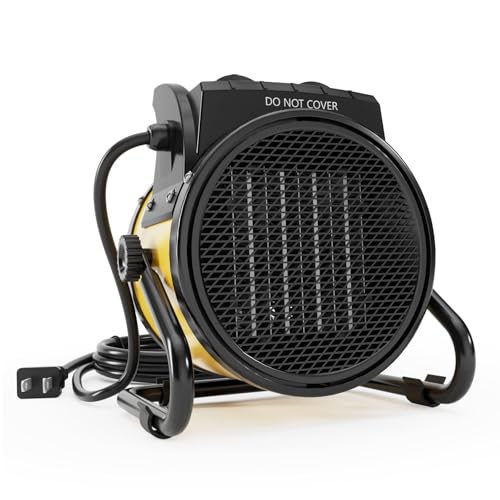
The UFRYO 800W Dog House Heater is a specialized wall-mounted forced-air heater engineered to provide supplemental warmth in enclosed outdoor pet habitats and livestock shelters. Sized specifically for animal quarters, this unit serves dog owners, poultry keepers, and homesteaders who need an elevated heating source that keeps pets comfortable during freezing weather without consuming floor space.
Heating performance centers on a dual-stage heating element paired with an integrated circulation fan. Users can select between an 800-watt high output for severe cold conditions and a 400-watt low output during milder snaps. The built-in fan actively blows heated air across spaces up to 350 cubic feet, helping prevent localized cold spots better than passive radiant pads. Because heating performance depends on the insulation level of the shelter, users should evaluate shelter drafts to maximize warmth retention.
Durability and animal safety drive the exterior build. Measuring 4.1 x 7.9 x 8.9 inches, the yellow housing incorporates tight mesh grilles across the air vents to prevent pets from pawing or touching the internal heating elements. The heater is powered via a 10-foot insulated chew-proof cord wrapped in protective metal, which significantly reduces the danger of active chewers puncturing the line or causing electrical shorts.
Mounting and ongoing maintenance are straightforward. The compact wall-mount configuration keeps the entire unit off the floor, away from bedding, moisture, and waste. Routine maintenance is supported by a removable rear filter housing that unclips for fast cleaning, allowing users to wipe away collected animal dander, hair, and coop debris before airflow is restricted.
Buyers should consider a few operational limitations before ordering. The manufacturer highlights manual switching between high and low modes rather than an integrated precision thermostat, meaning ambient enclosure temperatures must be manually monitored. Additionally, specific certifications such as UL or ETL are not stated in the product description, and performance is limited strictly to spaces within the 350-cubic-foot recommendation.
For owners seeking a targeted, elevated heating solution for outdoor dog houses, insulated chicken coops, cat sheds, or rabbit hutches, the UFRYO 800W heater delivers solid practical value. Its protective metal cord and forced-air fan provide sensible shelter protection when used within its listed volume guidelines.
The UFRYO pet heater features dual-output operation, delivering 800 watts on high and 400 watts on low to match seasonal temperature swings. Its forced-air fan design promotes even circulation rather than concentrated surface heat, warming interior volumes up to 350 cubic feet.
Safety engineering focuses on common animal hazards. The 10-foot power lead is encased in an insulated, chew-resistant metal sheath designed to deter curious teeth. Tight mesh venting protects the internal fan and heating core from direct animal contact, while the waterproof control switch adds durability against moisture.
Regular maintenance is required when operating forced-air heaters around animal fur, feathers, and straw bedding. The UFRYO heater features an easily removable rear housing that allows owners to extract trapped hair and airborne lint to maintain unobstructed airflow.
The exterior mesh vents can be wiped down periodically with a dry or lightly damp cloth to remove surface grime. Keeping both the intake filter and exhaust grilles free from organic debris preserves heating efficiency and helps maintain consistent operational safety over the winter season.
Pros
- Listed with UL and FCC safety certifications for agricultural and pet housing applications
- Supplied with both standing legs and wall-mounting hardware in the package
- Includes an integrated temperature sensor designed to adjust heating output automatically
Cons
- Complete category mismatch for shoppers searching for automotive heater cores or vehicle HVAC parts
- Incompatible with automotive liquid cooling systems, engine plumbing, or dashboard heater boxes
- Requires separate purchase of external timers or specialized temperature controllers if desired
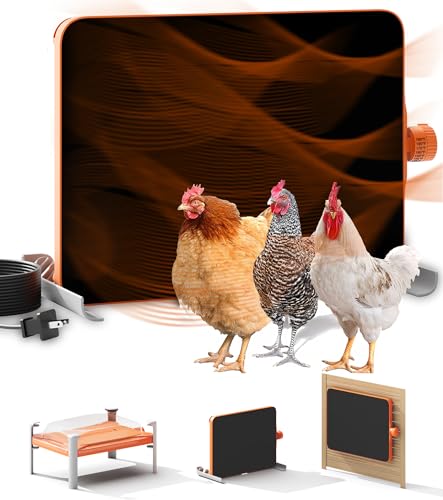
A close inspection of the listed product specifications reveals an immediate category mismatch for automotive shoppers. The Chickcozy Smart Chicken Coop Heater is an electric radiant heat panel built specifically for poultry coops, brooders, and pet enclosures. It is not an automotive replacement heater core. Drivers, DIY mechanics, and professional technicians researching parts to resolve passenger cabin heating issues, defroster malfunctions, or cooling-system leaks will find that this device shares no operational or physical compatibility with motor vehicles.
According to the manufacturer data, the unit measures 16 by 11 by 1.2 inches and draws 200 watts of electrical power. It features a built-in smart sensor designed to modulate radiant warmth depending on ambient coop conditions. The listed specifications state an output range between 70 and 95 degrees Fahrenheit for young chicks, reaching up to 190 degrees Fahrenheit for adult poultry. The package contains the orange radiant heating panel, four support legs, an anti-dirt cover, two drywall anchors, two mounting screws, and an instruction manual. The listing also notes factory safety testing alongside UL and FCC certifications intended for animal habitat applications.
In contrast, an authentic automotive heater core functions as an internal liquid-to-air heat exchanger plumbed directly into a vehicle's pressurized cooling system. Hot engine coolant circulates through an aluminum or copper-brass core housed deep within the vehicle dashboard HVAC module, where the blower motor transfers heat into the passenger cabin. Automotive heater cores rely on specific tube routing, inlet and outlet diameters, mounting brackets, and compatibility with vehicle-specific engine coolants. This standalone electric poultry panel has no coolant channels, no plumbing connections, and no ability to interface with vehicle electrical or climate control harnesses.
Vehicle owners dealing with common HVAC symptoms such as weak airflow heat, sweet coolant odors in the cabin, fogged windshields, or damp passenger-side carpeting must approach repairs with thorough diagnosis. These warning signs frequently suggest cooling-system problems, but they do not automatically prove that the heater core has failed. Thermostat malfunctions, blend-door actuator failures, low coolant levels, or trapped air pockets can cause identical cabin symptoms. If inspection does confirm a restricted or leaking heater core, replacement demands finding a verified component matched precisely to the vehicle year, make, model, engine size, and specific HVAC options.
For buyers managing a backyard flock or poultry brooder, the Chickcozy panel offers documented utility with multiple mounting styles and listed electrical certifications. However, anyone shopping for automotive repair parts should bypass this listing completely. Replacing a vehicle heater core requires sourcing a dedicated heat exchanger designed to original equipment dimensions and pressure requirements to ensure safe, reliable cooling-system operation.

Pros
- Provides two switchable radiant heat levels (300W and 600W) for adjustable warmth in animal shelters.
- Includes a 6.5-foot hanging chain and protective wire mesh cage straight out of the box.
- Durable metal construction with an aluminum reflector and long-life carbon fiber heating element.
Cons
- Completely incompatible with automotive heating and cooling systems; not a vehicle replacement part.
- Lacks liquid coolant passages, automotive fittings, and vehicle-specific mounting hardware.
- Operates strictly via standard electrical power rather than engine coolant heat exchange.
Vehicle owners searching for a replacement heater core to restore cabin warmth or resolve cooling-system leaks need to be aware of an immediate category mismatch with this listing. The Fanspex 600W Hanging Heater is a plug-in electric radiant warming fixture engineered specifically for chicken coops, greenhouses, barns, and domestic animal shelters. It is not an automotive heater core, does not circulate engine coolant, and cannot be adapted to a motor vehicle HVAC housing. Shoppers researching automotive climate repairs should recognize that this product belongs in lawn, patio, and agricultural supply catalogs rather than automotive replacement parts.
Based on the manufacturer specifications, this electric heater measures 15.2 by 5.8 by 3.5 inches and features an all-metal housing equipped with an internal aluminum reflector panel. Heat is generated by a carbon fiber element with a listed service lifespan exceeding 10,000 hours, offering switchable outputs of 300 watts on Mode I and 600 watts on Mode II. The unit arrives pre-assembled and includes a 6.5-foot hanging chain along with an integrated protective wire mesh screen to keep poultry or pets from touching hot surfaces. The listing provides no automotive interchange numbers, core flow dimensions, or vehicle fitment guides because it is strictly an agricultural appliance.
In contrast, an authentic automotive heater core is a liquid-to-air heat exchanger plumbed directly into a vehicle engine cooling system. Hot engine coolant flows through internal core tubes located inside the vehicle dashboard heater box, where the blower motor forces cabin air across tiny fins to deliver warmth and defrost the windshield. Common symptoms such as faint cabin heat, sweet antifreeze smells, windshield fogging, or wet passenger carpeting can indicate cooling-system faults, but these issues relate entirely to pressurized coolant flow and blend-door operation. The Fanspex radiant heater shares no common mechanical or thermal design principles with pressurized automotive cooling components.
When vehicle owners notice poor cabin heat or unexplained coolant loss, assuming the heater core has failed without proper diagnosis can lead to unnecessary spending. Heating issues often stem from simpler causes, such as low coolant, air pockets, a stuck thermostat, restricted heater hoses, or a failed blend-door actuator. When a technician or systematic inspection confirms that a vehicle heater core is actually leaking or clogged, owners must find a dedicated automotive replacement tailored to their exact year, make, model, engine size, and climate-control package. A correct automotive replacement requires matching tube diameters, inlet and outlet angles, and core depth to seat properly in the factory HVAC case.
This Fanspex unit provides practical utility only for hobby farmers, pet owners, and gardeners seeking overhead radiant heat for animal pens or small plant enclosures during cold snaps. It has no utility for automotive repair and cannot resolve vehicle cooling or heating problems. Drivers and mechanics shopping for vehicle replacement parts should pass on this item and consult vehicle-specific parts catalogs using original-equipment part numbers to locate the proper automotive heater core.
Shoppers researching automotive climate repairs should verify that any prospective replacement part matches their exact vehicle year, make, model, and engine configuration before ordering. An authentic automotive heater core must install directly into the vehicle cooling circuit and passenger-compartment climate housing, using factory-matched inlet and outlet connections that align with existing heater hoses.
Because heating issues can arise from low coolant levels, faulty blend-door actuators, or defective thermostats, symptoms like cold cabin air do not automatically prove heater-core failure. Confirming the root cause through systematic cooling-system inspection prevents ordering incorrect components or undertaking unnecessary dashboard disassembly.
Frequently Asked Questions
What temperature range is safe for adult chickens and young chicks?
Chicks require temperatures between 70°F and 95°F, while adult chickens thrive in coops warmed within a range of 100°F to 190°F surface heat from safe radiant plates. Fully feathered adult hens tolerate cold weather well and only need gentle supplemental heat during severe freezes. Overheating an enclosed shelter can prevent birds from acclimating naturally to seasonal winter conditions. Always refer to your heater’s built-in thermostat settings to prevent dramatic temperature spikes inside the roosting zone.
Are radiant heat panels safer than traditional heat lamps in chicken coops?
Yes, radiant heat panels provide significantly higher fire safety than traditional glass heat lamps. Infrared plates and enclosed panel heaters warm objects and birds directly without reaching the combustible surface temperatures typical of incandescent bulbs. They also feature flat profiles and protective housing that prevent curious birds from knocking them into dry straw bedding. Look for models with certified safety listings and durable casing for reliable coop operation.
How much cubic area can a fan-assisted coop heater warm?
An 800-watt forced-air unit can warm enclosed shelters up to 350 cubic feet. Built-in circulation fans push heated air across the floor plan, helping eliminate localized cold spots in larger multi-bird coops or small barns. Removable rear air filters and protective mesh screens keep airborne dander and feathers from entering the motor assembly. For broader structure management, pairing specialized coop devices alongside a durable core heating unit in an attached workspace helps maintain organized zone heating.
Why is an anti-bite cord necessary for livestock and poultry heaters?
Anti-bite metal coil cords stop chickens, rabbits, and kennel animals from pecking or chewing directly through live electrical wires. Chickens are naturally curious peckers and will target exposed rubber insulation, creating severe electrical shock and short-circuit hazards. Insulated metal wraps also shield the wiring from sharp claws and damp coop bedding. Always route cords securely along framing timbers well away from direct roosting paths.
How high should a hanging poultry heater be mounted?
Mount hanging heaters using an adjustable chain so the bottom edge sits at least several inches above the tallest standing hen. Carbon fiber and overhead reflective heaters require sufficient clearance so poultry cannot make direct contact with the warm outer mesh cage. Adjusting suspension chains throughout the season lets you raise the heat source as birds grow or lower it slightly during sudden arctic cold snaps. Follow manufacturer guidelines for exact minimum ceiling and wall clearances.
Can the Best Outdoor Heater For Chickens run safely on an extension cord?
Coop heaters should ideally plug directly into an outdoor-rated GFCI electrical outlet rather than an extension cord. If an extension lead is unavoidable, use a heavy-duty, outdoor-rated 12-gauge or 14-gauge cord rated to handle your heater’s maximum wattage. Undersized cords can overheat, drop voltage, and present serious fire risks in barn environments. Check all connection points regularly to ensure moisture and coop dust do not penetrate the plug interface.



Write Your Review
No reviews yet. Be the first to share your experience!