


Solving Cabin Cold Spots and Heating Confusion
Waking up to freezing cabin temperatures makes any winter commute miserable, especially when your defrost vents blow lukewarm air. Many drivers searching for the best core heater 110v setup are actually trying to solve a broken vehicle heating loop rather than plugging in an electric space heater. Standard household wall outlets deliver alternating current for home warmth, but cars rely on a dedicated heat exchanger connected directly to engine coolant lines. If your cabin smells like sweet antifreeze or your windshield fogs up uncontrollably, an aging automotive heat core is likely leaking. Understanding how coolant circulation warms your passenger compartment helps prevent expensive repairs down the road, much like planning a setup with a diesel heater for van builds requires matching heating equipment to the available power source.
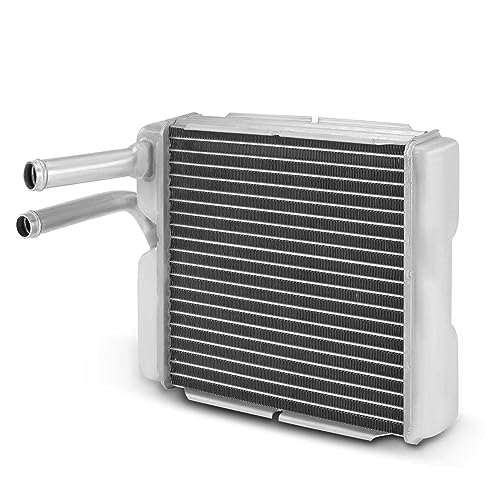
The listed Spectra Premium 93001 Vehicle HVAC Heater Core delivers an exact-fit replacement designed for specific Ford and Lincoln trucks and SUVs. Its fully brazed aluminum construction promotes rapid heat transfer while resisting internal corrosion under pressurized operating conditions. Every unit undergoes factory leak testing, giving you reliable performance when restoring factory defrosting and cabin warmth. Always check vehicle fitment using manufacturer-provided part numbers before starting an installation, as vehicle HVAC enclosures leave zero margin for mismatched core dimensions.

Pros
- Fully brazed aluminum build matches modern cooling system heat-exchange requirements
- Directly cross-references verified Ford and Lincoln OE numbers 1L7Z18476AA, F65Z18476AA, and H2MZ18476C
- Each core undergoes factory leak testing according to manufacturer specifications
- Drop-in configuration designed to mount directly within the factory HVAC casing
Cons
- Listing title and description omit specific model years, engine sizes, and trim variations
- Product details do not indicate whether replacement seals, foam, or O-rings are included in the box
- Published dimensions reflect overall package measurements rather than bare core matrix dimensions
The Spectra Premium 93001 is an automotive HVAC heater core designed for vehicle heating and engine cooling systems. According to the supplied manufacturer information, this part is an OE-style replacement engineered for select Ford and Lincoln utility platforms, including the Ford F-150, F-250, Expedition, Lobo, and the Lincoln Blackwood and Navigator. It suits vehicle owners, parts buyers, and professional technicians seeking a replacement heat exchanger to resolve a verified heating fault or cooling-system leak.
Based on the product specifications, this unit is built with a fully brazed aluminum design intended to enhance heat dissipation and overall durability. Spectra Premium indicates that every core undergoes individual leak testing during manufacturing to help verify product integrity. The unit is designed as a direct replacement for original equipment numbers 1L7Z18476AA, F65Z18476AA, and H2MZ18476C. The listing reports total dimensions of 8 x 34 x 11.25 inches and a shipping weight of 2.25 pounds with a black finish. Specific tube diameters and isolated core matrix measurements are not detailed in the raw product data.
In a motor vehicle, the heater core operates as a compact heat exchanger integrated into the pressurized engine cooling circuit. Hot coolant circulates through the core while the vehicle blower motor directs air across the external fins to warm the passenger cabin. Drivers suspecting a faulty heater core often report symptoms such as a sweet coolant smell inside the cabin, greasy fog on the interior windshield, damp floorboards, or absent cabin heat. However, symptoms alone do not confirm that the heater core has failed. Issues such as an airlocked cooling system, a stuck engine thermostat, restricted external hoses, or a faulty blend-door actuator can cause similar complaints, making a thorough cooling-system diagnosis essential before replacing parts.
When planning this repair, buyers should keep several practical installation considerations in mind. On full-size trucks and sport utility vehicles, replacing a heater core often involves accessing the HVAC plenum box behind the main dashboard assembly. Because the listing does not state whether replacement foam insulation, hose clamps, or quick-connect seals are included, buyers should inspect their existing components and determine whether new mounting hardware or seals should be purchased separately. Refilling and properly bleeding the cooling system with manufacturer-approved coolant is also necessary after installation.
A notable limitation of the product listing is the absence of detailed year ranges, engine compatibility, and cab configurations. While the listing notes compatibility with nameplates like the F-150 and Navigator, these models span multiple generations with significant changes in HVAC box designs, inlet tube bends, and connection styles. Furthermore, the listed dimensions appear to describe packaging size rather than the bare core face, which means buyers cannot verify physical fit solely from the published measurements.
The Spectra Premium 93001 offers a durable, leak-tested aluminum replacement option for buyers whose vehicles directly cross-reference the supported OE part numbers. Because exact compatibility depends heavily on the specific model year, engine size, and HVAC setup, shoppers should always cross-reference their vehicle identification details against a reliable fitment catalog or confirmed fit tool before placing an order.
The Spectra Premium 93001 is listed as compatible with select Ford and Lincoln vehicles, including the Ford Expedition, F-150, F-250, Lobo, Lincoln Blackwood, and Lincoln Navigator. It is designed to match original equipment part numbers 1L7Z18476AA, F65Z18476AA, and H2MZ18476C.
Because the listing does not state exact model year spans, engine options, or production date splits, buyers should not assume this part fits all production years of the named models. Full-size Ford and Lincoln trucks underwent various interior and cooling-system revisions over their production runs. To avoid ordering errors, cross-reference your specific vehicle identification number, model year, and factory part number against an authorized parts catalog or verified fitment tool.
Replacing an automotive heater core in full-size trucks and SUVs generally requires substantial interior access, often including the partial or full removal of the dashboard and HVAC housing. Repairers should budget adequate time for disassembly and careful reassembly to avoid damaging interior trim or wiring harnesses.
The product data does not list included installation accessories such as O-rings, foam sealing strips, or replacement heater hose connectors. Buyers should inspect their existing system components and obtain appropriate replacement seals or quick-connect fittings prior to beginning work. Always allow the engine to cool completely before opening any cooling system components, and adhere to appropriate coolant collection, refilling, and bleeding procedures.
Frequently Asked Questions
Can a 110v electric core replace a standard automotive heater core in 2026?
No, vehicle HVAC systems rely on hot engine coolant circulating through an aluminum core rather than 110-volt household electricity. Automotive blower assemblies push air over these hot coolant fins to deliver warm air throughout the cabin. While shoppers searching for the best core heater 110v options often seek plug-in electric comfort, vehicle climate systems require dedicated mechanical cores like the Spectra Premium 93001.
What are the primary symptoms of a failing vehicle heater core?
Fogged interior glass, a sweet syrup smell in the cabin, and cool air coming from warm heat settings signal a failing heater core. Leaking coolant often collects on the passenger-side floor beneath the dashboard enclosure. Once internal passages crack or become clogged with sediment, the vehicle cannot generate sufficient defrosting heat.
How does the Spectra Premium 93001 heater core prevent leaks?
The Spectra Premium 93001 utilizes a fully brazed aluminum structure that seals critical joints against high operating pressures. Each manufactured unit undergoes individual leak testing before packaging to ensure structural integrity. This design matches original equipment performance requirements to resist vibrations and thermal expansion cycles.
Can you use a 110v space heater as an alternative to an automotive heater core?
While an electric space heater or high-output unit like an Infratech electric heater can warm stationary spaces, running 110-volt appliances inside a vehicle is generally impractical. Portable electric heaters pull substantial wattage that quickly overloads vehicle power inverters. Replacing the factory coolant core restores both cabin heating and essential windshield defrosting capability.
How do you verify fitment for the Spectra Premium 93001 heater core?
Match your vehicle details directly with factory part numbers 1L7Z18476AA, F65Z18476AA, or H2MZ18476C. This unit serves as a drop-in replacement for select Ford Expedition, F-150, F-250, Lobo, Lincoln Blackwood, and Navigator models. Always enter your vehicle year, make, and trim into the fitment confirmation tool before ordering.
What preparation is required before installing a replacement core?
Replacing a heater core requires draining the engine coolant and carefully disassembling the lower dashboard assembly. Disconnecting the firewall coolant lines cleanly prevents spills on your vehicle interior carpets. Refilling the cooling system and bleeding out trapped air pockets ensures optimal heat delivery after completing the repair.



Write Your Review
No reviews yet. Be the first to share your experience!