


Reliable Hot Water for Sinks and Tight Spaces
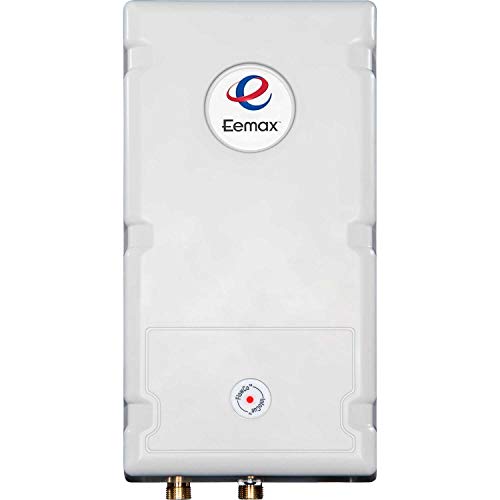
Waiting minutes for hot water to reach a distant bathroom or garage sink wastes time and clean water down the drain. Bulky traditional storage tanks often cannot squeeze into cramped under-sink cabinets, utility closets, or small commercial break rooms. Installing the best eemax water heater resolves these common layout challenges by generating warmth directly at the tap. Eemax designs dedicated point-of-use water heater models and on-demand systems that tuck neatly into tight spaces while delivering reliable daily performance.
Evaluating your available electrical capacity is the first practical step before selecting an on-demand or mini-tank unit. Some fixtures only require a modest flow rate for handwashing, which operates on a basic 120-volt outlet, while higher-output applications need 208-volt or 240-volt dedicated circuits. Checking physical dimensions, plumbing connections, and heating power ensures that your chosen equipment handles routine water usage without unexpected disruptions. The right compact system keeps standby heat loss low while providing dependable hot water right when you turn on the faucet.


Frequently Asked Questions
How do tankless Eemax units compare to mini-tank models?
Tankless models heat water on demand, while mini-tanks store a small reservoir of preheated water. A mini-tank supplies immediate hot water from its tank using a standard plug. A tankless unit saves space and delivers endless hot water, but it requires more electrical power during operation.
What electrical service is needed for an Eemax water heater?
Electrical needs vary based on the specific design. Mini-tank models frequently plug into a standard 120-volt outlet, making them convenient for under-sink cabinets. Higher-capacity tankless units generally require dedicated 208-volt or 240-volt wiring with appropriately sized circuit breakers to support rapid water heating.
Can an Eemax point-of-use water heater support a whole house?
No, these compact units are built to supply dedicated single fixtures or handwashing sinks. Point-of-use models offer flow rates around 2 GPM or small storage capacities like 1.5 gallons. Simultaneous fixture use across an entire home requires a much larger whole-house water heating system.
How does self-modulating technology work in an electric tankless water heater?
Self-modulating technology adjusts power consumption automatically based on water flow and temperature demand. The system draws only the energy needed to reach the set temperature instead of running at full capacity constantly. This continuous adjustment prevents temperature fluctuations and conserves electricity.
What maintenance is needed for an Eemax water heater in 2026?
Periodic flushing helps remove mineral sediment that can accumulate on heating elements. In hard-water areas, scale buildup reduces heating efficiency and shortens component lifespan. Checking plumbing connections and descaling the heating chamber according to manufacturer guidelines maintains consistent operation.





Write Your Review
No reviews yet. Be the first to share your experience!