


Reliable Hot Water for Road Trips and Hotel Stays
Packing for a trip often highlights how difficult it can be to get a dependable cup of clean hot water outside your home. Hotel in-room coffee makers often carry lingering coffee odors, while highway rest stops rarely offer boiling water suitable for tea or instant meals. Investing in the best travel water heater gives you direct control over water cleanliness, temperature, and boiling speed wherever an electrical outlet or vehicle socket is available. Compact designs like mini electric kettles and dual-voltage immersion rods provide an efficient point-of-use solution that packs neatly into carry-on luggage.
Different travel environments require specific electrical setups to heat water safely without tripping breakers. International travel demands dual-voltage compatibility for 120V and 240V circuits, while vehicle camping relies on 12V or 24V lighter sockets with low power draw. Travelers packing for outdoor road trips often balance their setup by pairing portable boilers with a compact indoor heater to stay comfortable during cold overnights. Selecting appliances with food-grade 304 or 316 stainless steel interiors and automatic shut-off protection keeps boiling both hygienic and secure on the move.




Frequently Asked Questions
Can you use a travel water heater internationally?
Yes, but only if the device features dual-voltage capability or matches the local voltage rating. Dual-voltage models supporting 120V and 240V operate across international power grids when paired with a compatible plug adapter. Always verify the voltage switch or auto-detection function before plugging into a 240V socket to avoid damaging the heating element.
How long does a 12V car electric kettle take to boil water?
A 12V vehicle kettle typically takes between 25 and 30 minutes to heat water to a boil. Vehicle accessory sockets deliver limited wattage compared to standard wall outlets, leading to longer heating times. Running the car engine during use helps maintain steady voltage and protects your vehicle battery from draining.
Are immersion water heaters safe for glass and ceramic mugs?
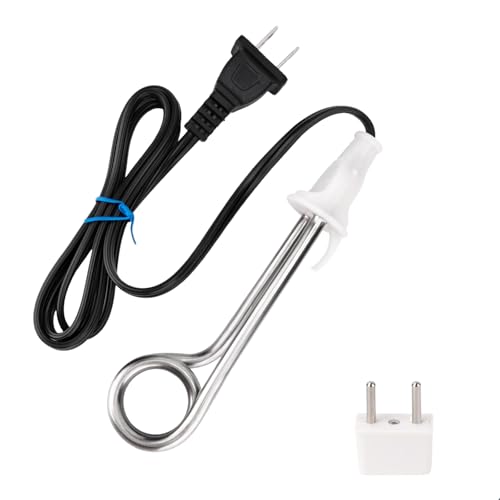
Yes, immersion heaters are generally safe to use inside heat-resistant glass and ceramic mugs. The metal heating element must be fully submerged in liquid before you plug the unit into an outlet. Avoid using immersion coils in plastic cups or paper containers, and always disconnect power before lifting the element out of the liquid.
What is the difference between an immersion heater and a travel kettle?
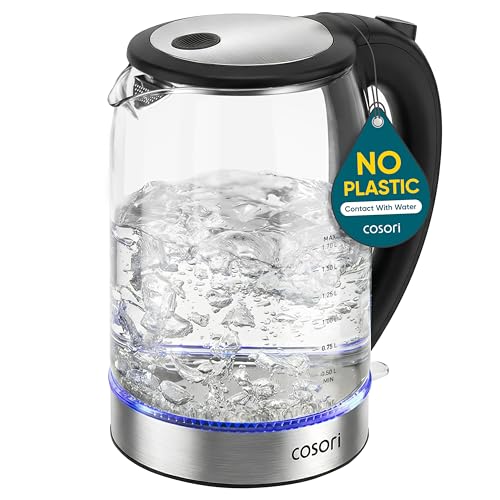
An immersion heater is an exposed heating coil placed directly into a mug, while a travel kettle is a fully enclosed container with an integrated base. Immersion heaters offer minimal weight and maximum packability for light travelers. Travel kettles provide sealed lids, precise temperature presets, and integrated auto-shut-off switches for cleaner, safer operation.
How do you clean mineral scale from a travel water heater?
Boiling a solution of equal parts white vinegar and water dissolves mineral scale effectively. Hard water causes harmless mineral spots to develop on stainless steel heating surfaces over time. Letting the warm solution sit for 15 minutes before rinsing ensures a clean heating surface without damaging the metal interior.
What safety features are essential for the %best travel water heater% of 2026?
Automatic shut-off and boil-dry protection are the most critical safety features to look for in a portable unit. These safeguards shut off power if the water runs dry or when the liquid reaches boiling point, preventing overheating and fire hazards. Steam-venting safety lids and insulated exterior walls also prevent accidental burns in compact spaces.





Write Your Review
No reviews yet. Be the first to share your experience!