


Setting up a dependable outdoor wash station or camp shower requires balancing fuel combustion with active water pressure. Compact propane units deliver immediate comfort in remote locations, but high heating density demands responsive safeguards to prevent scalding or component damage. Installing an instant water heater protection system helps ensure that outdoor bathing, pet washing, and campsite cleanup remain both convenient and secure. Understanding how these automated controls respond to temperature spikes and fluctuating water supplies gives buyers greater confidence during seasonal adventures.
High-output portable burners generate intense thermal energy within a remarkably small chassis. When water flow drops suddenly or gusty winds extinguish a burner, integrated protective devices instantly interrupt fuel flow to mitigate severe hazards. Similar to standard gas appliance safety precautions, portable tankless heaters rely on built-in sensors to monitor active combustion and internal pressure. Recognizing the specific functions of an instant water heater protection system makes it much simpler to troubleshoot unexpected shutdowns and maintain reliable equipment in any outdoor setting.

Pros
- High 115,425 BTU/hour heating capacity supplies an impressive continuous hot water flow of up to 4.76 GPM.
- Six built-in safety mechanisms protect equipment against overheating, dry firing, flame failure, and high water pressure.
- Digital temperature readout simplifies monitoring and water heat management during outdoor bathing or washing.
- Compact portable design with a dedicated shower head makes it convenient for RV trips, camping setups, and pet care.
Cons
- Engineered strictly for outdoor and appropriately ventilated RV or camping setups, not for unvented indoor home water heating.
- Requires an external propane fuel cylinder, pressurized water supply, and proper outdoor fittings before operation.
- Vertical dimensions of 12.6 x 12.6 x 23.23 inches require secure upright mounting or stable positioning during use.
The Baococo 18L Propane Tankless Water Heater is an on-demand liquid propane heating appliance engineered specifically for outdoor recreation, RV travels, campsite setups, and outdoor utility tasks. Designed for homeowners, campers, off-grid cabin visitors, and pet owners, this unit replaces bulky storage tanks with an instant heating core that activates on water demand. Whether you need a warm shower after a day on the hiking trail, clean hot water for washing dishes at camp, or a warm rinse for pets outside, this unit delivers heated water without waiting for a tank to warm up.
Heating performance centers around a substantial 115,425 BTU per hour propane burner capable of generating up to 4.76 gallons per minute (GPM) of continuous hot water flow. The manufacturer specifies an adjustable operating temperature range from 17°F up to 113°F, allowing users to tailor the outflow to seasonal needs and personal comfort. A front-mounted digital display gives real-time visibility into temperature levels, taking the guesswork out of adjustments. The combustion assembly is designed to balance fuel efficiency with lower operational burner noise, maintaining a quieter outdoor campsite environment.
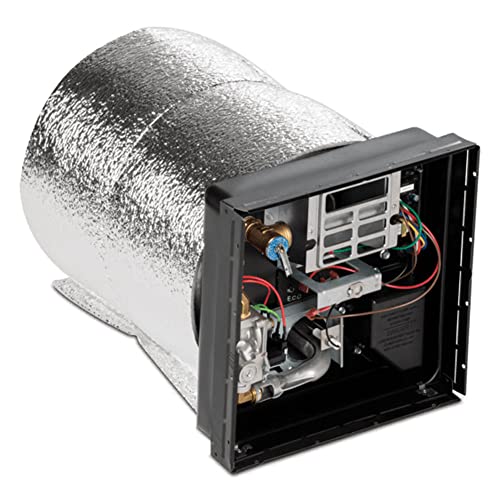
Build quality focuses on portable outdoor utility, featuring a clean white protective housing measuring 12.6 x 12.6 x 23.23 inches. Equipment safety is supported by six distinct built-in protections: overheat protection, dry combustion prevention, antifreeze protection, low-flow ignition lockout, flame failure cutoff, and high water pressure relief. These automated safety features help protect the burner and heat exchanger against irregular water pressures, ignition failures, and overheating conditions. Additionally, the unit includes an outdoor shower head with an integrated one-button control to pause water flow and avoid unnecessary waste during washing.
Setup requires connecting a standard propane supply, establishing a clean pressurized water feed, and mounting the water heater securely in an upright position. Because it uses combustion to heat water, the appliance requires open outdoor placement or proper venting in compliant RV and camping arrangements, maintaining adequate clearances from combustible materials. Routine maintenance involves draining the unit prior to freezing weather to safeguard internal passages, utilizing the antifreeze protections, and periodically clearing water inlet filters to ensure unobstructed water flow.
Realistic limitations should be factored into your buying decision. This propane tankless water heater is engineered strictly for outdoor and recreational utility; it is not a direct replacement for an unvented indoor residential home water heater. Realized water temperature output depends on the inlet water temperature and incoming flow rate, meaning very cold winter groundwater may yield lower peak temperatures at maximum flow. Furthermore, reliable operation requires adequate water pressure and a properly regulated propane source.
For campers, RV travelers, and rural property owners seeking high-capacity portable hot water, the Baococo 18L offers exceptional output at 4.76 GPM and 115,425 BTU. Provided you follow all outdoor placement guidelines, maintain proper fuel connections, and winterize the unit between uses, it delivers a reliable, instant outdoor hot water solution for camping trips, beach cleanups, and pet grooming.
The Baococo water heater operates on liquid propane fuel, utilizing an internal burner rated at 115,425 BTU per hour to provide instant on-demand heating. This thermal rating allows the unit to produce up to 4.76 GPM of hot water continuously without relying on a preheated storage reservoir.
The combustion system is engineered to maximize thermal transfer to the water line while optimizing propane consumption. Users must connect the appliance to an approved propane cylinder and regulator according to manufacturer instructions, ensuring leak-free fittings and adequate fuel pressure for steady ignition and combustion.
The appliance incorporates six dedicated safety features to protect both the user and internal components during outdoor operation. These safeguards include overheat protection, dry combustion prevention, flame failure cutoff, high water pressure relief, low-flow ignition lockout, and antifreeze protection.
The flame failure cutoff stops propane delivery if the burner extinguishes unexpectedly, while the low-flow ignition lockout prevents the burner from firing without sufficient water passing through the heat exchanger. These systems reduce operational risks, though they do not replace standard safety precautions regarding fuel handling, ventilation, and outdoor clearances.
Engineered for outdoor use, the Baococo 18L is suited for campsites, RV stations, beach setups, and backyard pet washing areas. Its compact footprint of 12.6 x 12.6 x 23.23 inches allows for straightforward transport and secure hanging or vertical mounting at an outdoor station.
Operation requires well-ventilated outdoor conditions to ensure proper exhaust dissipation and fresh air intake. Users should follow manufacturer placement instructions, maintaining clear distances from walls and flammables, and disconnect and drain the water lines before exposure to sub-freezing temperatures.
Core Functions and Architecture of an Instant Water Heater Protection System
Portable tankless water heaters deliver hot water on demand by routing cold water through a compact heat exchanger directly above a high-output propane burner. Because liquid passes through the combustion zone in seconds, rapid thermal transfer must be closely regulated to prevent equipment failure. An instant water heater protection system consists of mechanical and electronic sensors designed to detect abnormal operating conditions immediately. By identifying pressure surges, flame dropouts, or dry pipes, these systems intervene before high temperatures compromise internal tubing or user safety.
Overheat Protection and Thermal Limit Cutoffs
Water passing through a compact tankless heat exchanger absorbs heat at an exceptionally fast rate. If the burner fires while water flow slows down, liquid inside the copper tubes can rapidly turn to scalding steam. A high-limit thermal switch, mounted directly onto the heat exchanger outlet, monitors outgoing water temperatures continuously. When temperatures exceed safe operational thresholds, this sensor breaks the electrical circuit to the main gas solenoid valve. Shutting off the fuel supply stops heat generation instantly, preventing dangerous thermal spikes at the shower head.
Excessive heat does not merely pose a burn hazard to people and pets; it also causes rapid metal fatigue in the heating core. Copper heat exchangers rely on constant liquid flow to absorb combustion energy and maintain structural integrity. Without an active thermal cutoff, extreme heat can warp internal fins, melt soldered joints, and cause sudden pinhole leaks. The automatic cutoff resets only after internal temperatures drop back down into a safe operating zone. This layered response ensures that temporary temperature surges do not result in permanent equipment destruction.
Dry Combustion Prevention and Liquid Flow Sensors
Dry firing occurs whenever a burner ignites inside a water heater that contains insufficient water volume. In an instant propane system, the combustion chamber generates intense energy that cannot dissipate safely through empty air or stagnant steam pockets. Dry combustion prevention mechanisms solve this problem by incorporating a precision flow sensor in the cold water inlet. This sensor detects water movement mechanically before sending an electrical signal to open the gas valve. If water is not physically moving through the appliance, the burner will not receive fuel.
This interlocking safeguard protects the internal components from incinerating within seconds of ignition. When water supply hoses kink or supply tanks run dry during outdoor use, the flow switch drops out of alignment and breaks the circuit. The system treats a sudden drop in flow as a critical stop condition, preventing the flame from scorching uncooled metal surfaces. Campers and cabin owners benefit significantly from this safeguard because gravity-fed or portable pump systems often run out of supply unexpectedly. Eliminating the risk of dry firing extends the usable life of the portable heater substantially.
Flame Failure Cutoff Devices and Combustion Monitoring
Outdoor appliances encounter shifting environmental conditions, including sudden wind gusts and splashing water. If a strong gust blows out the burner flame while the gas valve remains open, unburned propane can pool invisibly around the heater. Liquid propane is heavier than air, which means escaping fuel settles near the ground and creates a major ignition hazard. Flame failure cutoff devices solve this problem by continuously verifying the physical presence of an active flame during operation. These devices rely on either a thermoelectric thermocouple or an electronic flame-sensing probe placed directly in the burner path.
When the flame sensor detects that the combustion flame has vanished, it depowers the electromagnetic gas solenoid in a fraction of a second. This rapid mechanical closure stops the flow of propane before raw gas can escape into the surrounding atmosphere. Understanding burner behavior and following established fuel line sizing and clearance standards helps users establish safe operating perimeters for any fuel-burning appliance. Once the flame cutoff triggers, the water heater requires a deliberate restart sequence. This protective delay ensures that any residual gas dissipates safely before the electronic igniter sparks again.
Low-Flow Ignition Lockouts and Operating Dynamics
Tankless water heaters require a specific minimum flow rate to absorb burner heat safely and maintain stable combustion. When incoming water pressure drops below operational thresholds, the heat exchanger cannot balance energy transfer efficiently. An integrated low-flow ignition lockout prevents the spark module from initiating until water pressure and volume reach the necessary activation point. For units delivering higher outputs up to 4.76 gallons per minute, this threshold guarantees that adequate cooling volume enters the unit simultaneously with fuel. Bypassing or overriding this lockout would create severe water temperature instability.
Low flow conditions often occur when using low-voltage submersible pumps or elevated gravity water bags at outdoor campsites. If the water volume hovers right at the activation boundary, the heater may cycle rapidly on and off as pressure fluctuates. The low-flow lockout prevents erratic burner cycling by keeping the fuel valve closed until steady hydraulic pressure stabilizes. This stabilizes water temperature and protects the igniter circuitry from premature wear caused by continuous re-striking. Users can avoid flow lockouts by verifying that their supply pump delivers sufficient sustained pressure to the inlet fitting.
High Water Pressure Relief and Hydraulic Safety
Water naturally expands when heated inside a sealed fluid circuit, which causes internal hydraulic pressure to rise rapidly. Additionally, municipal supply lines or high-pressure utility pumps can introduce unexpected pressure spikes directly into the appliance inlet. A high water pressure relief valve acts as an indispensable mechanical safeguard against hydraulic rupture. This spring-loaded valve opens automatically whenever water pressure inside the internal waterways exceeds manufacturer limits. Venting small amounts of water prevents severe stress on internal copper pipe bends and brazed joints.
Without a functioning relief valve, repeated pressure surges can distort internal water pathways or cause connecting hoses to blow off their barbs. The relief mechanism operates purely on mechanical spring tension, meaning it protects the appliance even if batteries fail or electronic controls lose power. Users should inspect the discharge outlet of the relief valve regularly to ensure it remains free of sediment, dirt, or mineral blockages. Installing the valve so venting water discharges harmlessly downward keeps sensitive electronics dry during unexpected pressure spikes. Consistent pressure moderation keeps portable hot water delivery dependable in challenging outdoor environments.
Antifreeze Protection and Cold-Weather Management
Outdoor water heaters face severe structural threats when ambient temperatures plunge toward freezing levels. Water trapped inside delicate copper heat exchanger tubes expands with immense force as it converts into solid ice, which splits thin metal walls easily. Modern portable propane heaters feature antifreeze drain valves and temperature-aware operating ranges rated down to 17 degrees Fahrenheit. These features help users purge standing water completely from internal lines before leaving the appliance outside overnight. Draining the heat exchanger core remains the single most effective way to eliminate frost-related ruptures during cold weather expeditions.
Some units incorporate manual drain plugs at the lowest point of the manifold, allowing gravity to empty both the inlet and outlet pipes. Leaving residual water inside an outdoor unit overnight in freezing conditions can ruin the entire heat exchanger in a single freeze event. Even with protective thermal engineering, users must take an active role in winterizing portable equipment after each use. Opening the drain valve, disconnecting quick-connect hoses, and allowing the unit to vent ensures complete drainage. Practicing disciplined freeze prevention protects internal passages and guarantees that the appliance stays operational across multiple camping seasons.
Combustion Output and Digital Monitoring
Evaluating portable water heating performance requires balancing heating power against fuel consumption and water supply capabilities. High-output units generating 115,425 BTU per hour can raise the temperature of incoming cold water significantly while maintaining brisk flow rates up to 4.76 gallons per minute. This level of heating capacity enables users to wash pets, run camp sinks, or take continuous showers without experiencing abrupt drops in water temperature. However, larger burner outputs also demand stable propane delivery and sufficient combustion air to prevent unburned fuel from accumulating. Matching burner size to actual flow rates prevents unnecessary fuel waste and maintains balanced operation.
Digital display screens provide critical real-time feedback by showing current outgoing water temperatures up to 113 degrees Fahrenheit. Monitoring this readout allows users to dial in comfortable washing temperatures accurately without guessing. If the digital display shows unexpected temperature spikes, the user can immediately increase water flow or adjust the gas control knob downward. This visual monitoring works alongside the internal instant water heater protection system to prevent accidental skin contact with overly hot water. Maintaining clear visibility of operational parameters helps users keep water delivery consistent, comfortable, and well within safe thermal boundaries.
Outdoor Operating Environment and Ventilation
Portable propane water heaters are engineered specifically for exterior environments where fresh air flows freely around the burner chassis. Using a fuel-fired appliance in an unventilated tent, camper shell, or enclosed room creates an extreme risk of carbon monoxide poisoning. Fresh air circulation feeds the burner with sufficient oxygen to maintain clean combustion, which minimizes the production of dangerous byproducts. Even when equipped with advanced protective cutoffs, a portable heater cannot replace natural ventilation in outdoor living areas. Users must always mount the heater on a sturdy, non-flammable vertical surface with clear overhead space.
Wind velocity also impacts burner stability and sensor accuracy during open-air washing tasks. Strong gusts can deflect flames away from the thermocouple or disrupt the internal air-fuel mixture, prompting the flame failure cutoff to engage unexpectedly. Setting up a basic windscreen at a safe clearance distance shields the appliance without restricting the vital supply of fresh combustion air. Additionally, keeping the unit shielded from blowing rain prevents moisture from entering sensitive electronic control boards and battery compartments. Managing these external elements ensures that the internal safeguards operate according to their designed parameters without unnecessary nuisance tripping.
Troubleshooting Alerts and Routine Sensor Maintenance
When an instant propane heater shuts down abruptly, the internal protection system is usually responding to an active environmental or mechanical anomaly. Rather than indicating an equipment defect, unexpected shutoffs typically show that safety interlocks are functioning exactly as intended. For example, a clogged inlet screen reduces water flow below the minimum threshold, which immediately triggers the low-flow ignition lockout. Inspecting and cleaning the fine mesh filter at the cold water inlet often restores proper flow immediately. Clearing debris allows the sensor to register continuous fluid motion and re-engage the fuel solenoid.
Weak igniter batteries represent another frequent source of intermittent operating issues in portable outdoor heaters. Most compact tankless systems rely on standard household batteries to power both the electronic ignition spark and the safety monitoring circuitry. When battery voltage declines, the system may lack the electrical current required to hold the electromagnetic gas valve open against its internal spring. Replacing weak cells with fresh alkaline batteries often resolves mysterious flame dropouts within minutes. Checking simple mechanical and electrical factors first saves time and avoids unnecessary disassembly of factory-calibrated safety components.
Practical Verification Protocols Before Field Use
Conducting a brief functional check at home before embarking on a remote camping trip prevents frustrating equipment surprises in the backcountry. Begin by connecting a pressurized water hose to the inlet fitting without attaching the propane tank or turning on fuel. Turn on water flow and observe the digital display to confirm that water passes freely through the unit and exits the shower head at a steady rate. Engaging the one-button flow switch on the shower wand verifies that the flow sensor recognizes start and stop commands smoothly. This hydraulic test confirms that internal seals and pressure relief valves hold pressure without any external leaks.
Next, attach the propane regulator to a full cylinder and perform a controlled burner test outdoors in a well-ventilated staging area. Listen for the rapid clicking of the electronic pulse igniter followed by the steady whoosh of clean burner ignition. Confirm that the exhaust air warms up promptly and that the digital temperature readout reflects gradual, predictable heating across the adjustable range. Intentionally turning off the water supply at the hose should cause the burner flame to extinguish immediately through the dry combustion lockout. Verifying these protective responses before departure ensures that your portable water heating setup delivers safe, reliable comfort wherever your travels lead.
Relying on a portable tankless water heater transforms outdoor living by bringing the comfort of continuous warm showers to remote campsites, horse trailers, and off-grid cabins. The sophisticated network comprising an instant water heater protection system works silently in the background to balance high-energy combustion against changing water conditions. By understanding how thermal cutoffs, flame sensors, pressure relief valves, and freeze drains function together, users can operate portable equipment safely and troubleshoot field interruptions effectively. Prioritizing disciplined maintenance and respecting manufacturer operating boundaries ensures that outdoor hot water remains a dependable, stress-free luxury on every journey.




Write Your Review
No reviews yet. Be the first to share your experience!