


Heating open living areas often requires balancing visual warmth with practical fuel management. Many homeowners planning open floor plans look for multi-sided views, yet the performance of indoor see through gas fireplaces and dedicated heating inserts depends directly on venting style, fuel line compatibility, and heat output. Evaluating room square footage against listed burner ratings ensures your living room stays comfortable without overheating adjacent zones. For spaces where traditional masonry chimneys are absent, units like ventless gas fireplaces offer alternative installation paths by relying on indoor oxygen sensors rather than external flue systems.
Fuel selection remains a critical first step when selecting gas equipment for your home. Units configured for liquid propane cannot run on natural gas without explicit factory-supported conversion components, making fuel line verification essential before purchase. Looking closely at factory specifications reveals key differences between zero-clearance inserts and freestanding mantel cabinets. Models equipped with precision burners or smart thermostat cycling allow steady zone warmth while preserving realistic ceramic log ambiance. Checking clearance specifications and fuel safety listings will prevent costly installation delays while securing comfortable seasonal heat.

Pros
- Dual-fuel flexibility allows switching between natural gas and liquid propane hookups
- Reliable supplemental heat source that functions completely without electricity during outages
- Freestanding mantel cabinet design creates an instant hearth focal point without masonry work
- Integrated thermostat dial simplifies heat output and room comfort management
Cons
- Vent-free gas appliances are prohibited or restricted by building codes in certain regions and room types
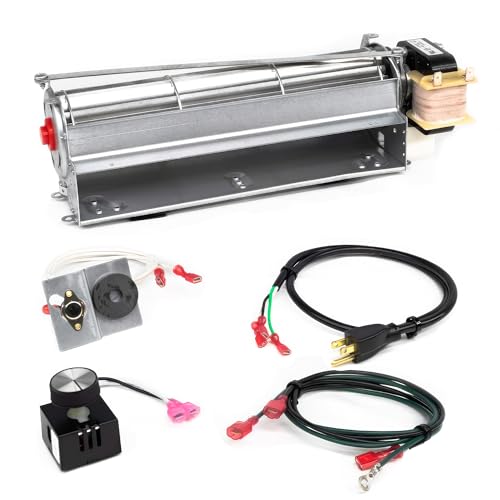
- Circulation blower is not included and must be purchased separately if active airflow is desired
- Requires professional gas-line installation and verification of minimum room-size clearances
The Comfort Glow GFD3840T is a freestanding vent-free gas fireplace suite featuring an integrated Pewter Oak mantel, engineered for homeowners seeking powerful supplemental heat without installing a chimney or exterior flue. Rated at 26,000 BTUs, this heating appliance is well suited for primary living rooms, finished family spaces, or open floor plans up to 900 square feet where no existing fireplace infrastructure exists. Because it operates on dual-fuel engineering, it easily accommodates households plumbed for utility natural gas as well as rural or suburban homes using exterior liquid propane storage.
Heating performance centers on a 99.9% fuel-efficient burner system that generates substantial radiant and convective warmth while requiring zero household electricity. This off-grid capability makes the unit a practical heating safeguard during winter storms and grid power outages. The system integrates an adjustable thermostat control dial alongside a battery-assisted electric igniter, allowing users to initiate the burner with a single push and maintain consistent room temperatures throughout the colder seasons.
Surrounding the firebox is a pre-finished wooden mantel in a transitional Pewter Oak finish, delivering the traditional aesthetic of a built-in hearth without the structural expense of custom masonry. Measuring 16 inches deep, 38.75 inches wide, and 38 inches tall, the cabinet presents a balanced, grounded profile against standard flat walls. The internal firebox and burner setup are built to operate cleanly within standard vent-free guidelines, though buyers seeking active heat distribution across expansive layouts will need to acquire the optional circulation blower (model 20-6140) as a separate accessory.
Setup and assembly involve straightforward furniture construction combined with precise fuel-line planning. While the exterior mantel comes ready to assemble using standard hand tools, the gas connection must comply strictly with local plumbing codes, fuel pressures, and ventilation guidelines. Prospective owners should verify that the selected installation room meets the necessary cubic-foot volume requirements for an unvented 26,000 BTU appliance, and utilizing a certified gas technician is strongly advised to ensure tight fittings and proper fuel selection.
A critical consideration for prospective buyers involves regional code restrictions and room-specific suitability. Vent-free appliances discharge combustion warmth and moisture directly into the living space, which means certain state codes, local municipalities, and specific living areas such as small bedrooms or tightly sealed rooms restrict or forbid their use. Buyers should confirm local ordinances prior to ordering, install appropriate carbon monoxide and smoke alarms, and note that active fan-driven airflow requires an additional equipment purchase.
For homeowners wanting an attractive, high-output supplemental heating solution that remains completely functional when electrical service fails, the Comfort Glow GFD3840T provides strong utility and classic style. Its dual-fuel capability, generous 900-square-foot heating coverage, and self-contained mantel design make it a dependable heating upgrade for properly sized, code-compliant living areas.
This Comfort Glow fireplace features a dual-fuel burner capable of operating on either natural gas or liquid propane, providing valuable flexibility depending on your home fuel infrastructure. Because it is engineered with a 99.9% efficient vent-free design, it operates without an exhaust chimney, exterior flue, or direct vent pipe.
Prospective buyers must verify that vent-free gas appliances are permitted by local building codes in their municipality and specific room type before purchasing. Adequate fresh air makeup and room volume must be maintained according to manufacturer specifications to ensure clean, balanced combustion.
With a maximum output of 26,000 BTUs, the GFD3840T is rated to heat spaces up to 900 square feet. The mechanical thermostat system allows users to set and maintain desired room temperatures without continuous manual adjustment, automatically regulating heat delivery to prevent overheating.
Startup is handled via an electric igniter and simple one-button push control. Because the heating mechanism does not require line-voltage electrical power, the unit will continue delivering full supplemental heat during winter storms and electrical outages. An optional electric blower fan (model 20-6140) can be added to circulate warmth more rapidly through larger rooms.
The assembled mantel and fireplace cabinet measures 16 inches deep, 38.75 inches wide, and 38 inches tall, presenting a compact yet substantial footprint suitable for living room focal walls. The unit is designed for flat-wall placement and comes ready to assemble with included hardware.
Installation requires connection to an appropriate natural gas line or regulated liquid propane supply. Always ensure that combustible clearances specified in the manufacturer instruction manual are maintained around the mantel cabinet, and retain a licensed professional for all gas plumbing and leak testing.

Pros
- Delivers strong supplemental heat up to 26,000 BTUs for large living rooms and open floor plans.
- Zero-clearance design allows versatile installation into recessed walls or custom mantel cabinets.
- Thermostat control automatically maintains target comfort levels while conserving fuel.
- Requires no chimney or venting, directing heat directly into the living space at 99.9% efficiency.
- Battery-assisted Piezo igniter operates independently of household electrical power during outages.
Cons
- Configured specifically for liquid propane and cannot be connected to natural gas lines.
- Ventless gas appliances are subject to regional building code restrictions in certain U.S. jurisdictions.
- Rough framing opening specifications and gas line clearances must be verified in the installation manual before construction.
The Duluth Forge Liquid Propane Ventless Gas Fireplace Insert is a zero-clearance firebox engineered for homeowners, remodelers, and cabin owners seeking robust supplemental heating without the structural burden of a chimney or exterior venting. Designed to operate strictly on liquid propane, this insert serves as an attractive centerpiece for a newly framed living room wall or can be paired with an aftermarket face mantel cabinet. If you want to create a traditional hearth look in a space lacking existing fireplace infrastructure, this standalone ventless insert provides a practical, self-contained solution.
In terms of heating capability, the unit generates up to 26,000 BTUs of heat, which the manufacturer rates to warm areas up to 1,350 square feet. Because it utilizes vent-free technology, 99.9 percent of the heat produced stays directly in the living space rather than escaping out an exhaust pipe. The interior features a dual precision-ported burner that delivers full-bodied yellow flames across five hand-painted ceramic fiber logs. Temperature management is handled by a built-in thermostat control that automatically turns the burner on and off to maintain a consistent room temperature, while a battery-assisted Piezo ignition system ensures quick start-ups even during grid power outages.
The firebox construction emphasizes clean integration and durability, weighing 47.6 pounds and measuring 29.1 inches wide, 13.9 inches deep, and 23.9 inches high. Its zero-clearance design classification allows the outer firebox shell to be recessed directly against standard framing materials, reducing the complexity of custom wall builds or built-in media surrounds. The included ceramic fiber logs are individually detailed to replicate natural split firewood, resting securely over the dual burner to establish a balanced, realistic flame pattern without visible artificial burner hardware.
Installing this unit requires a dedicated liquid propane supply line and careful adherence to clearance specifications outlined in the manufacturer documentation. Because the firebox relies on battery-powered Piezo ignition, it does not demand an electrical wall outlet or complex wiring, simplifying placement in basement retreats, open-concept living rooms, or vacation cabins. Essential safety features include a built-in Oxygen Depletion Sensor (ODS) paired with an automatic shut-off mechanism that continuously samples indoor oxygen levels and turns off the gas supply if levels fall below safe operating thresholds.
Prospective buyers should keep several practical limitations in mind before ordering. Ventless gas heating equipment is subject to strict local building codes and state regulations, which may prohibit vent-free appliances in specific rooms such as bedrooms or in certain geographic jurisdictions. Additionally, the unit is configured exclusively for liquid propane and cannot be connected to natural gas without explicit factory-approved hardware. The overall listed dimensions represent the exterior chassis, so builders must verify exact rough opening requirements, minimum hearth clearances, and gas line hookup positions prior to framing.
For homeowners with an active propane supply who need effective zone heating for large living spaces, the Duluth Forge 26,000 BTU Ventless Insert offers a strong blend of heating capacity, autonomous thermostat operation, and aesthetic appeal. Its zero-clearance flexibility makes it a compelling choice for custom mantel projects or recessed accent walls, provided local building codes permit ventless gas appliances in your intended installation space.
The Duluth Forge fireplace insert measures 29.1 inches wide, 13.9 inches deep, and 23.9 inches high with an overall weight of 47.6 pounds. Because it features a zero-clearance firebox, it can be framed directly into a recessed drywall opening or fitted within an appropriate fireplace mantel cabinet.
Installers must verify exact framing cutout dimensions, combustible material clearances, and gas line intake locations using the official installation manual before building wall cavities or installing surrounds.
This fireplace insert is factory-configured for liquid propane (LP) only and requires a dedicated propane gas supply line. It should not be connected to a natural gas line without explicit manufacturer documentation and authorized conversion components.
Operating as a vent-free appliance, the system requires no chimney, flue, or exterior venting pipes. Prospective buyers should check local municipal building codes and regional regulations, as ventless gas appliances have specific room-volume guidelines and geographic restrictions.
With a maximum output of 26,000 BTUs, this insert provides supplemental zone heat rated by the manufacturer for living spaces up to 1,350 square feet at 99.9 percent thermal efficiency.
The integrated smart thermostat control cycles the burner on and off to maintain steady ambient temperatures. A battery-assisted Piezo push-button ignition allows the firebox to ignite reliably without relying on household 120-volt electrical power.

Pros
- Flexible dual-fuel capability allows operation with either liquid propane or natural gas.
- Vent-free installation eliminates the need for expensive exterior ducting or chimney renovations.
- Thermostatic cycling helps stabilize room temperature without requiring continuous manual flame adjustments.
- Equipped with an oxygen depletion sensor (ODS) and push-button piezo ignition for standard safety and easy startup.
Cons
- Ventless gas appliances are subject to state, local, or room-specific building code restrictions that require pre-purchase verification.
- Conflicting manufacturer dimensions (12.5 x 36.5 x 28 inches versus 40 x 48 x 24 inches) necessitate verifying insert versus mantel sizing before installation.
- Modest 10,000 BTU output is engineered strictly for supplemental zone heat rather than primary whole-home warmth.
The ProCom FS100T-3AS is a freestanding ventless gas fireplace system engineered for homeowners and remodelers seeking supplemental zone heat without installing an exterior chimney or direct venting. Delivering up to 10,000 BTU, this unit combines an Apple Spice furniture-grade mantel, a gas firebox insert, four hand-painted ceramic fiber logs, an iron grate, and a protective mesh screen. It serves as an accessible heating and ambiance solution for spaces up to 500 square feet where traditional masonry or vent framing is impractical.
A primary advantage of this fireplace system is its patented ventless dual-fuel technology, which allows operation on either natural gas or liquid propane. The manufacturer rates the heating efficiency at 99.9 percent, venting warmth directly into the living space rather than losing heat up a flue. To maintain consistent comfort, an onboard thermostat control automatically cycles the gas burner on and off based on ambient room temperature. This automated cycling helps stabilize supplemental heat distribution without requiring constant manual adjustments to the gas valve.
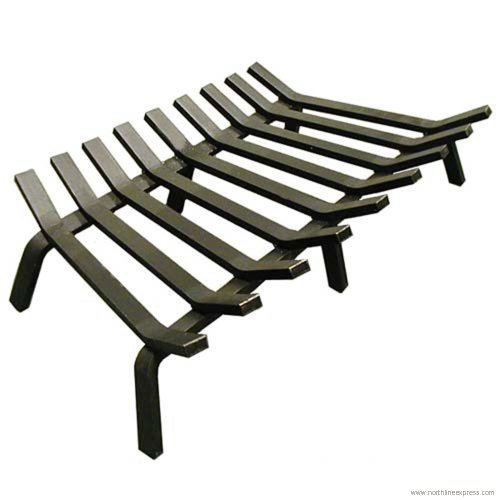
Construction details balance traditional furniture styling with functional gas fireplace mechanics. The included mantel features an Apple Spice finish accented by light edge distressing and burnishing, giving it a warm, classic presence in a living room, dining area, or study. Inside the firebox, four hand-painted ceramic fiber logs rest on an iron grate to replicate a traditional wood-burning arrangement while resisting heat degradation over long-term use. A black mesh screen front finishes the hearth display while providing a barrier across the burner assembly.
Ignition relies on a battery-assisted push-button piezo system powered by an included single AAA battery, enabling quick startups without requiring an electrical wall outlet. Buyers should plan their placement carefully, as manufacturer documentation notes two conflicting sets of dimensions: an insert/firebox specification of 12.5 inches high by 36.5 inches wide by 28 inches deep, alongside overall specification dimensions of 40 inches high by 48 inches wide by 24 inches deep at 42 pounds. A mandatory safety clearance of not less than 42 inches from the top of the fireplace to the ceiling must also be observed during placement and gas line hookup.
Potential buyers should be aware of key operating limitations and regional regulations before purchasing a vent-free gas appliance. Ventless gas fireplaces emit trace combustion byproducts and water vapor into the living area and are prohibited or strictly regulated in certain municipalities, states, and specific room types like bedrooms or confined spaces. Additionally, while the 10,000 BTU burner provides steady supplemental zone heating for up to 500 square feet, it is not engineered to act as a primary heating source for cold climates or poorly insulated areas.
For homeowners with appropriate room dimensions, adequate ceiling height, and code-approved spaces, the ProCom FS100T-3AS provides a flexible, dual-fuel heating alternative with an attractive built-in mantel appearance. Verifying local fuel gas codes, confirming room volume requirements, and having a qualified gas professional handle line connections ensures safe and dependable operation.
This fireplace system utilizes patented ventless dual-fuel technology, providing the flexibility to connect to either a residential natural gas line or a liquid propane supply. Because it is a vent-free appliance, it requires no exterior ducting, chimney liner, or wall penetration, retaining heat inside the room with a manufacturer-rated 99.9 percent efficiency.
Because ventless appliances release combustion air directly into the home, buyers must check local and state building codes prior to purchase, as vent-free systems face specific restrictions in certain jurisdictions and room configurations. Professional installation of the gas supply line and regulator is strongly recommended to ensure proper gas pressure and leak-free operation.
Safety management is driven by an integrated Oxygen Depletion Sensor (ODS) built into the pilot assembly. If the sensor detects depleted oxygen levels or carbon monoxide buildup within the room, it automatically shuts off the gas supply immediately to protect indoor air quality.
Manufacturer guidelines dictate that clearance from the top of the fireplace mantel to the ceiling must not be less than 42 inches. Adequate clearances around the perimeter must also be maintained from combustible furnishings, curtains, and flooring according to the installation manual.
If this topic is part of a bigger decision, see through wall mount gas fireplaces is a useful related read.
Frequently Asked Questions
Can you install indoor see through gas fireplaces in any room?
No, room volume and local building codes dictate where indoor gas units can operate safely. Ventless systems require adequate square footage and air exchange to maintain safe oxygen levels, meaning small bedrooms or enclosed bathrooms often have strict restrictions or prohibitions. Always verify municipal codes and manufacturer minimum cubic-foot guidelines before purchasing.
What is the difference between natural gas and propane configurations for Indoor See Through Gas Fireplaces?
The decisive difference lies in fuel delivery pressure and burner orifice sizing. Natural gas arrives via utility pipelines at lower pressure, whereas liquid propane operates at higher pressure from dedicated residential tanks. Burners engineered strictly for propane cannot safely run natural gas unless the manufacturer provides a certified dual-fuel system.
How many BTUs are recommended for supplemental room heating?
Supplemental heating capacity depends directly on target room dimensions and ceiling height. A 10,000 BTU burner is generally listed to heat spaces up to 500 square feet, while 26,000 BTU models can support areas between 900 and 1,350 square feet according to manufacturer data. Matching room size to burner output prevents rapid short cycling and keeps temperatures stable.
Do vent-free gas fireplaces require an electrical outlet to operate?
Usually not, because most vent-free gas systems rely on battery-assisted piezo igniters or standing pilots that generate their own millivolt power. This allows the burner to supply dependable heat during winter power outages. However, optional heat circulating blowers usually require a standard 120-volt electrical connection.
Can a television be mounted above a gas fireplace?
Clearances depend entirely on manufacturer combustible guidelines and wall deflector requirements. Linear configurations, similar to modern gas fireplace designs, enforce specific mantel depths and standoff distances to protect delicate electronics from rising heat. Reviewing the product manual before cutting drywall prevents heat damage to sensitive screens.
What primary safety sensors protect indoor ventless gas systems in 2026?
An Oxygen Depletion Sensor (ODS) with an automatic shut-off pilot is standard on certified indoor ventless fireplaces. This mechanism continuously monitors room oxygen levels and cuts the gas supply if levels drop below safety thresholds. Regular seasonal cleaning keeps pilot orifices free of household dust and ensures reliable sensor response.
Readers working through this often check outdoor see through gas fireplaces next.



Write Your Review
No reviews yet. Be the first to share your experience!