


Reducing Standby Energy Waste on Storage Water Heaters
Storage water heaters continuously reheat gallons of water throughout the day and night, even when your household is fast asleep or away at work. That continuous cycling creates standby heat loss that quietly inflates utility bills. Adding the best water heater timer helps stop that unnecessary cycling by scheduling heating around your actual daily routine. Managing overall power demand often requires looking at multiple room appliances, whether that means adjusting warmth from a compact indoor heater or scheduling heavy electrical loads. Aligning heater runtime with peak morning and evening routines keeps plenty of hot water ready without running elements all day.
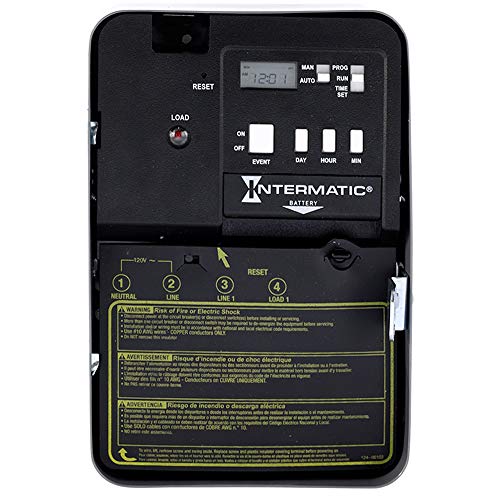
Controls range from heavy-duty mechanical switches to 7-day digital programmers and Wi-Fi smart controllers. Mechanical timers like the Intermatic WH40 handle high-voltage loads up to 40 amps, using physical trippers to set heating windows. Digital switches provide precision down to the minute, while smart controllers monitor tank temperatures and offer remote scheduling from a smartphone. Selecting the right model depends on your water heater fuel type, rated amperage, and whether you prefer manual simplicity or connected automation.


Frequently Asked Questions
Can a water heater timer reduce monthly electricity bills?
Yes, a timer reduces electricity costs by preventing heating elements from maintaining high water temperatures during long periods of non-use. Storage tanks naturally lose heat, which triggers reheating cycles even when nobody needs hot water. Restricting cycles to designated morning and evening hours cuts unnecessary standby power draw while maintaining daily comfort.
How do mechanical timers differ from smart Wi-Fi controllers?
Mechanical switches use physical trippers and clock motors to cut line-voltage power directly inside a dedicated enclosure. In contrast, smart Wi-Fi controllers use tank sensors and mobile apps to track usage and optimize heating remotely. Selecting the best water heater timer depends on whether you prefer offline mechanical reliability or intelligent smartphone control.
Will a timer switch work on both gas and electric water heaters?
Standard hardwired time switches only work with electric water heaters because they directly interrupt 208-volt to 250-volt electrical circuits. Gas water heaters use mechanical gas valves or ignition modules that cannot connect to line-voltage switches. However, select smart controllers can monitor and manage storage-style gas water heaters without altering gas lines.
What electrical ratings must be checked before installing a timer switch?
You must verify your water heater operating voltage, circuit breaker amperage, and total element wattage. Most residential electric tanks run on 240-volt circuits and require switches rated for 25 to 40 amps up to 10,000 watts. Always check the electrical data plate on your tank and consult a qualified electrician.
Can using a timer switch cause hot water to run out unexpectedly?
Lukewarm water can occur if your programmed schedule does not allow enough recovery time before peak usage. Electric water heaters typically require 30 to 60 minutes to replenish a full tank after heavy demand. Most models include a manual override switch to heat water on demand outside scheduled hours.





Write Your Review
No reviews yet. Be the first to share your experience!