


Reliable Outdoor Heat and Water Flow for Any Setting
Cold evenings at an off-grid cabin or a remote campsite quickly reveal how essential instant warmth and reliable water pressure really are. Whether you need a warm shower after a long day of hiking or require unfrozen water for backyard wildlife during freezing nights, standard heating setups often fall short without a dependable pumping mechanism. Investing in the best outdoor heater with pump bridges that gap by combining rapid heating burners or heating elements with dedicated water circulation. These systems eliminate the struggle of dealing with unpressurized gravity feeds or freezing conditions, offering steady performance directly from natural water sources, rain barrels, or storage tanks.
Selecting the right setup comes down to your primary use case, whether you require a high-output 41,000 BTU propane unit for instant camp showers, a thermostatic deicer to prevent backyard water bowls from freezing, or durable outdoor protection like a heavy-duty cover. While shoppers focused on interior spaces often browse a compact indoor heater to manage enclosed drafts, outdoor systems must withstand wind, dampness, and shifting weather. Examining core hardware specifications such as flow rate capacities, safety shutoff sensors, and 12-volt pump versatility ensures you secure steady comfort wherever your outdoor tasks take you.




Frequently Asked Questions
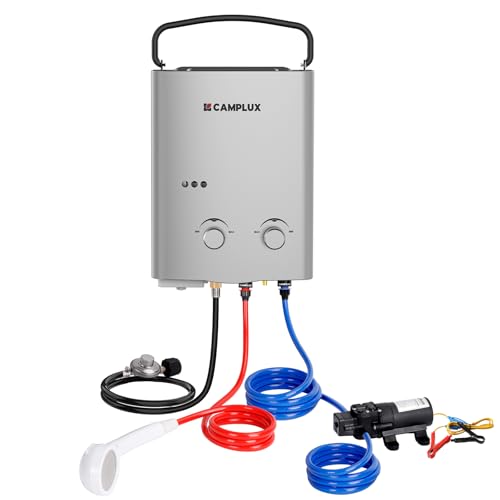
How does an outdoor propane water heater with an integrated pump work off-grid?
Portable outdoor propane water heaters use a pressurized 12V pump to draw water through internal heating coils while propane burners ignite automatically via battery power. The integrated pump supplies the necessary 3 to 110 PSI water pressure required to activate the gas ignition system. Most units run ignition switches on standard D-cell batteries, allowing completely grid-free operation without needing a standard household electrical outlet.
Can you run the Best Outdoor Heater With Pump directly from a natural lake or rain bucket?
Yes, models equipped with a self-priming 12V water pump can pull water directly from non-pressurized sources like lakes, buckets, or rain barrels. You must use an inline sediment strainer or filter on the inlet line to prevent sand, algae, or debris from damaging the pump diaphragm or clogging the burner coils. Always inspect water clarity before running the system to maintain consistent flow and prevent dry combustion errors.
What power source is needed to run the 12V water pump?
The pump requires an external 12-volt direct current power supply, such as a vehicle cigarette lighter socket, a portable power station, or a 12V marine battery. While the water heater ignition operates independently on two D batteries, the pump itself draws continuous DC power to lift and push water. Unlike stationary heating setups that depend on fixed core heater 110v circuits, these portable pumps rely on alligator clips or 12V adapter cables for field mobility.
Do outdoor water heaters with pumps require winterization in 2026?
Yes, draining all residual water from the heater exchanger and pump assembly before freezing weather hits is essential to prevent burst pipes. Trapped moisture expands when frozen, which can crack internal brass fittings, rupture heat exchangers, and damage delicate pump impellers. Always unplug the drain valve, run the pump dry for several seconds to clear excess lines, and store the unit in a dry, heated area during freezing seasons.
How does a bird bath heater with pump differ from outdoor patio heaters?
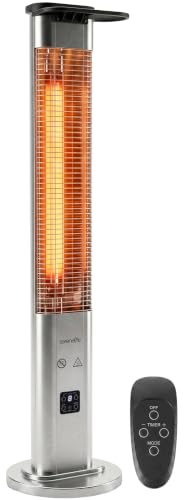
A bird bath heater with an integrated pump is an electric submersible deicer designed specifically to warm and circulate standing water rather than radiating heat into ambient air. The built-in 200W heating element and fountain pump prevent freezing down to sub-zero temperatures while providing moving aeration for wildlife. Unlike gas patio heaters that warm people through radiant burners, these specialized units target water maintenance in cold weather.




Write Your Review
No reviews yet. Be the first to share your experience!