


Evening chills can clear an outdoor patio fast once the sun dips below the horizon, cutting quiet dinners or family gatherings short. Balancing consistent warmth against open-air breezes often feels tricky, especially when you need reliable gear that handles outdoor conditions without hogging valuable floor space. Selecting the best fast ethernet outdoor heater means looking closely at stated heat ratings, sturdy construction, and proper fuel delivery to match your backyard layout. Whether you prefer a compact electric ceramic setup or a towering freestanding propane unit, analyzing fuel type, thermal range, and manufacturer clearances ensures everyone stays warm comfortably through crisp nights.
Safety features also play an essential role when heating semi-covered spaces or wide-open lawns. High-output burners require dependable tip-over switches, flame-out detection, and rugged anchors, while portable electric models rely on overheat safeguards and manageable wattage settings. If you already use compact indoor heaters inside, you know how crucial matching room size to output is; outdoor heating requires even more focus on open-air dissipation and directional warmth. Evaluating verified manufacturer specifications and practical design elements helps you set up a secure, welcoming retreat without guesswork.
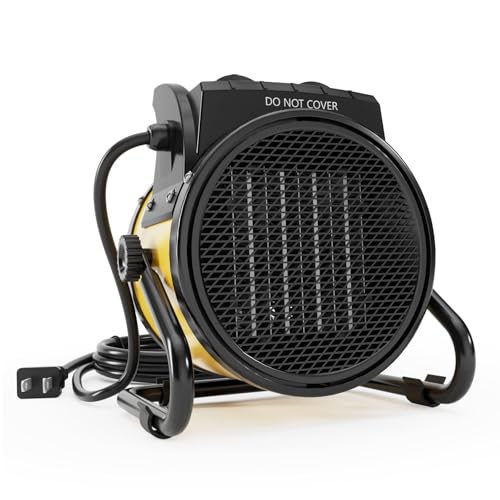
Pros
- Fast-heating PTC ceramic core with three distinct settings (20W, 750W, and 1500W)
- Compact 8 x 9 x 7-inch footprint makes placement and off-season storage very easy
- Manufacturer-rated heating coverage up to 160 square feet for sheltered zones
- Built-in automatic overheat safety protection
Cons
- Lacks an automatic tip-over shutoff switch, requiring careful placement on firm, level surfaces
- No manufacturer-listed IP weatherproofing rating, restricting outdoor use strictly to dry, sheltered areas
- Does not include a remote control, digital display, or programmable timer
The Joanolga 1500W portable electric heater is a compact PTC ceramic space heater designed primarily for localized supplemental warmth in sheltered outdoor and semi-enclosed environments. Finished in high-visibility yellow and measuring a compact 8 x 9 x 7 inches, this small appliance is aimed at hobby gardeners, DIYers, and homeowners looking to take the chill off sheltered seating areas, workbench corners, or small hobby greenhouses during cooler weather.
Heating performance relies on a 3S PTC ceramic element that provides rapid warmth across three defined output modes: a 20W fan-only setting, a 750W medium heating level, and a full 1500W high heating mode. The manufacturer lists the unit as capable of warming areas up to 160 square feet. Because actual heating effectiveness depends heavily on draft exposure, ceiling height, and ambient outside temperatures, this heater is best utilized for direct personal comfort or preventing localized frost on delicate plants rather than warming large, uninsulated spaces.
In terms of build and safety, the heater features a durable, boxy frame with an integrated front safety grille and an automatic overheat protection system. The overheat protection is engineered to cut power if components reach unsafe operating thresholds, adding an important layer of defense during extended runtime. However, the unit does not include a tip-over switch, meaning users must remain mindful to operate it only on flat, stable ground where it cannot be easily knocked over by pets, foot traffic, or garden tools.
Daily operation and handling are straightforward due to the heater's small footprint and lightweight build. Moving the unit between a covered patio table, a garage workbench, and an indoor plant staging area takes minimal effort. Maintenance is similarly basic, requiring periodic visual checks and dusting of the exterior grilles with a dry cloth to prevent airborne debris or garden dust from accumulating on the ceramic element and fan intake.
There are several practical limitations to consider before buying. The product documentation does not list an IP waterproof rating, so the heater must not be exposed to open rain, wet patio conditions, or sprinkler systems. Additionally, the lack of an adjustable digital thermostat, timer, or remote control means output must be managed manually via the physical control switches.
For shoppers seeking an affordable, compact supplemental heater to manage plant temperatures in a greenhouse or provide focused heat at an enclosed outdoor seating area, the Joanolga 1500W model serves as a straightforward option. When operated within manufacturer clearance requirements on stable surfaces, its fast ceramic heat-up and multiple power modes offer dependable spot heating for sheltered utility spaces.
The Joanolga electric heater features three distinct operating modes: a low 20W fan mode, a 750W medium setting, and a 1500W high heat setting. The 20W mode circulates ambient air without heating, which can be helpful for general air movement around seedlings or within small hobby greenhouses during milder days.
Equipped with a 3S PTC ceramic heating element, the heater provides fast thermal response as soon as either the 750W or 1500W mode is engaged. The manufacturer lists coverage at up to 160 square feet, making the unit well matched for small utility sheds, workshop bays, or covered porch seating. Buyers should note that delivered warmth in outdoor and semi-outdoor settings will naturally vary based on wind exposure, drafts, and surrounding insulation.
The primary built-in safety mechanism is an automatic overheat protection system, designed to shut down operation if the internal temperature exceeds safe parameters. While this helps prevent thermal hazards, it remains vital to maintain appropriate clearance from combustible objects, garden plant foliage, and furniture at all times.
Because the unit does not feature a tip-over shutoff mechanism or a certified weather-resistant IP rating, it must always be situated on a firm, level surface in dry, sheltered conditions. It is not suitable for exposure to direct precipitation or standing moisture, and it should not be operated unattended in environments where it could be bumped or tipped over.

Frequently Asked Questions
What distinguishes an electric patio model from a propane outdoor heater?
Power source and heat generation mark the main differences between these systems. Electric models, such as the Joanolga unit with its 1500W PTC ceramic element, provide localized warmth up to 160 square feet and plug directly into standard outlets without venting exhaust. In contrast, propane heaters like the Sweetcrispy 48,000 BTU model generate high-intensity heat covering up to an 18-foot diameter, making them suited for open-air spaces where electrical outlets are unavailable.
Can the Best Fast Ethernet Outdoor Heater be safely used on a covered patio?
Only certain electric models with appropriate clearance ratings are suitable for sheltered outdoor areas. The Joanolga electric heater is designed for covered patios, workspaces, or greenhouses when used according to manufacturer guidelines. High-output propane models produce open flames and exhaust, so you must always verify clearance distances and ventilation rules in the user manual before operating them under an overhead structure.
What safety mechanisms should you look for in a 2026 patio heater?
Essential safety mechanisms include automatic overheat protection and tilt shutoff switches. Electric models typically incorporate thermal cutoffs to prevent internal overheating during long runtimes. Freestanding propane heaters feature dual-protection sensors, such as tilt valves that cut gas flow if tipped past 45 degrees, alongside flame-out safety valves to prevent unburned fuel leakage.
How do you secure a freestanding propane patio heater in windy conditions?
Ground anchors and weighted bases provide the best stability on uneven outdoor surfaces. The Sweetcrispy 48,000 BTU unit includes dedicated ground anchors to fasten the base securely against wind gusts. You should also position freestanding units away from open wind corridors, and never operate tall heaters during severe weather or high-wind advisories.
How does heat coverage compare between compact electric and freestanding propane units?
Propane heaters deliver significantly wider coverage than compact electric units. A 48,000 BTU propane burner can warm an 18-foot diameter zone suitable for 4 to 8 people, while a 1500W electric heater covers roughly 160 square feet for personal or small-group warmth. When setting up supplemental warmth across different zones, comparing standard electrical requirements or looking at core 110v heating units can help clarify electrical load limits before plugging in heavy heating elements outdoors.
What maintenance does an outdoor patio heater require?
Regular burner inspection and exterior wipe-downs preserve heating performance over time. Propane models with 304 stainless steel burners resist rust, but the gas orifices and reflector shields should remain free of dust, cobwebs, and debris. For electric ceramic heaters, keep the air intake grills clear of dust and store the unit in a dry, sheltered location when not in use.




Write Your Review
No reviews yet. Be the first to share your experience!