


Navigating Hose Replacement and Freeze Protection
Mismatched line diameters and unexpected winter freezes can stop outdoor equipment or cooling systems in their tracks. Many equipment owners search for replacement parts or thermal protection without realizing that terms often overlap between engine coolant bypass lines, tractor discharge ducts, and self-regulating water lines. Sorting through the listings to pinpoint the best cadet hose heater requires looking closely at inside diameter, temperature tolerances, and intended fluid compatibility. Whether you manage lawn machinery or need reliable coolant circulation during bitter cold snaps, matching the exact specifications saves hours of installation frustration.
Selecting the right part means checking whether your setup calls for high-temp EPDM rubber, a flexible tractor collection chute, or an electrically heated line rated for sub-zero weather. A standard coolant line, like a quality option connected to an engine system or even a setup utilizing a reliable core heating unit, handles pressurized antifreeze but won’t warm standing water by itself. Meanwhile, a self-regulating line keeps fluids moving down to extreme sub-zero temperatures. Reviewing manufacturer ratings, reinforcement layers, and burst pressures helps ensure you secure the best cadet hose heater solution for your seasonal demands without leaks or premature cracking.




Frequently Asked Questions
What is the difference between an automotive heater hose and an electrically heated water hose?
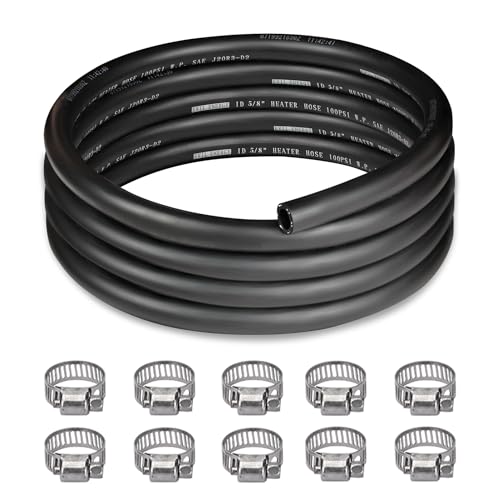
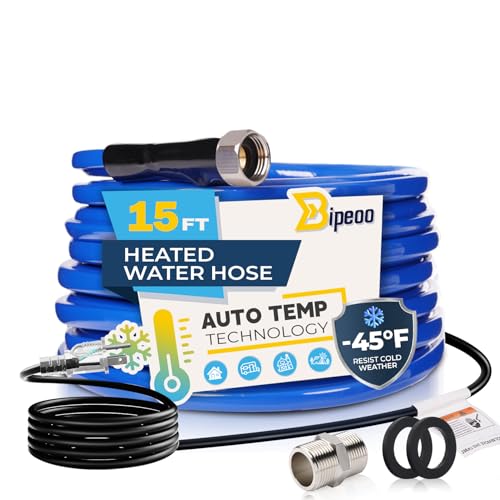
Automotive heater hoses circulate hot engine coolant, while electrically heated hoses use internal heating elements to prevent water lines from freezing. Standard rubber hoses made from EPDM withstand hot coolant up to 257°F inside a vehicle or generator cooling circuit. In contrast, an electrical line features an integrated thermal wire and plug to keep drinking or utility water liquid down to sub-zero temperatures.
Can standard 5/8-inch coolant hoses fit Cub Cadet equipment chutes?
No, standard coolant hoses have inner diameters between 1/2 inch and 3/4 inch, which are far too small for tractor bagger chutes. Cub Cadet grass collection setups typically require an 8-inch flexible duct designed specifically for debris transfer rather than pressurized fluids. Always verify the part number and diameter before buying parts under the best cadet hose heater category to avoid purchasing the wrong component type.
How do temperature ratings impact coolant heater hose longevity?
Continuous exposure to extreme engine heat requires hoses rated from -40°F to 257°F to avoid premature hardening or bursting. High-quality EPDM rubber complies with SAE 20R3 standards, resisting degradation from ozone, antifreeze chemicals, and thermal cycling. Checking that your selected best cadet hose heater alternative meets these operational boundaries protects your system from leaks.
Does a standard engine heater hose generate its own heat?
No, a conventional heater hose is purely a passive conduit that carries hot fluid between the engine block and the heater core. If you require supplemental heating for cold starts, pairing lines with an auxiliary setup like a durable core heating component or block warmer warms the coolant before startup. The hose itself simply provides the flexible, pressure-rated channel to withstand system operation.
Are rubber heater hoses compatible with fuel or oil transfer?
No, standard EPDM coolant hoses must not be used for fuel, oil, or petroleum-based fluid lines. Engine coolant hoses are engineered specifically for water and antifreeze mixtures under moderate pressure ratings around 50 to 100 PSI. Contact with fuel or oil breaks down the rubber compound, leading to rapid softening, swelling, and line failure.
How do electrically heated water hoses prevent freezing in sub-zero weather?
Electrically heated water hoses utilize an embedded heating cable with built-in thermal sensors to deliver continuous freeze protection down to -45°F. The multi-layer outer jacket shields the heating elements from outdoor moisture while conserving power by adjusting heat output based on ambient temperature. These systems are ideal for RV connections, livestock watering, and outdoor winter tasks during 2026.




Write Your Review
No reviews yet. Be the first to share your experience!