


Hearth Flange Sealing and Draft Control
Cold air drafting around an uneven masonry firebox ruins supplemental zone heating and pulls conditioned indoor air right up the chimney cavity. Fitting a steel insert into rough brick or stone always leaves inconsistent perimeter gaps that demand a durable, compressible thermal barrier. Installing rutland fiberglass fireplace insert insulation along the back of the metal surround trim creates a snug compression seal against irregular stonework. This barrier prevents smoke, ash odors, and outdoor drafts from entering your living area while preserving steady room warmth. Similar to pairing an insert with sealed fireplace door assemblies, securing the outer perimeter prevents unwanted convective air loss across cold hearth surfaces.
Fiberglass strip materials rated for 225 degrees Fahrenheit compress tightly when you seat the heavy metal flange against the rough masonry facing. Most rolls feature an integrated pressure-sensitive adhesive backing, letting you stick the batting directly to clean metal trim without messy liquid adhesives. When combined with refractory mortar for internal firebrick repairs or paired alongside a fireplace barrier screen, high-grade insulation gaskets maintain steady combustion air balance. Replacing this compressible fiberglass every time you slide the insert out for routine chimney maintenance guarantees a tight, draft-free air barrier for every heating season.

Pros
- Resists intense thermal exposure up to 2,000°F in direct firebox combustion zones
- Convenient 10.3 oz cartridge fits standard consumer caulking guns for precise application
- Versatile bonding across firebrick, refractory panels, and masonry joints
- Durable gray cured finish matches typical fireplace and stove refractory masonry
Cons
- Requires proper air drying and a gradual heat cure before building full-intensity fires
- Rigid cured formula is not designed for moving metal joints or flexible expansion seams
- Single 10.3 oz tube is sized for spot repairs and crack filling rather than large-scale rebuilds
Rutland High-Heat Fireplace Mortar is a dedicated refractory cement engineered specifically for repairing masonry cracks, re-pointing eroded seams, and setting firebricks inside solid-fuel heating appliances. Fireplace owners, wood-stove operators, and remodelers facing deteriorating mortar joints will find this compound tailored for restoring structural boundaries in high-heat zones. It provides an accessible, DIY-friendly method for maintaining safety and preventing heat migration into surrounding structural framing.
Thermal resilience stands as the core functional advantage of this formulation. The manufacturer rates this mortar to withstand operating temperatures up to 2,000°F, allowing it to perform under direct flame contact within fireboxes, stove interiors, and small forge linings where conventional Portland-based mortars quickly degrade. Once cured, the compound sets into a rigid, rock-hard seal that blocks hot embers and gases from escaping through cracked refractory panels or failing joint lines.
Packaged in a convenient 10.3-ounce cartridge measuring 1.875 by 1.875 by 11.25 inches with a total weight of 1.2 pounds, the mortar operates seamlessly with standard household caulking guns. This dispensing format offers superior precision over trowel-applied tubs when injecting material deep into narrow hairline fractures, panel joints, and recessed gaps. The gray color provides an unobtrusive, factory-like appearance that visually integrates with standard refractory bricks and pre-cast fireplace panels.
Proper surface preparation and curing steps dictate long-term adhesion. Applying this mortar requires removing loose soot, ash, and failing masonry remnants, followed by lightly pre-dampening the application area to prevent premature moisture loss. Users must allow adequate air-drying time before initiating a modest break-in fire to heat-set the cement, ensuring the patch achieves maximum hardness without blistering.
Buyers should account for application limits before purchase. Because this refractory mortar cures completely rigid, it cannot function as an elastic seal on expanding metal collars or joints subject to significant mechanical movement. In addition, while a 10.3-ounce tube easily accommodates routine joint touch-ups and localized crack repair, extensive masonry rebuilds or full firebox relining projects will necessitate multiple tubes.
For homeowners and maintenance-minded hearth owners seeking an American-made, high-heat bonding solution, Rutland Fireplace Mortar offers dependable performance and straightforward dispensing. It is a cost-effective, practical necessity for seasonal hearth checkups, keeping fireboxes structurally sound and ready for active burning seasons.
Routine fireplace maintenance requires regular inspection of firebox walls, panel seams, and floor firebricks during pre-season sweeps and ash cleanups. Hairline cracks and crumbling joint lines allow heat to transfer toward backing structures, making early intervention with high-heat refractory mortar an important preventive measure.
Before dispensing Rutland Fireplace Mortar, thoroughly clean out damaged joints using a wire brush or ash vacuum to clear away loose grit, creosote, and crumbling mortar. Lightly misting the masonry with water prior to caulking helps improve chemical bonding, while following the manufacturer's heat-curing recommendations ensures a long-lasting, heat-resilient repair.
Manufactured in the United States by Rutland Products, a hearth-care company founded in Vermont in 1883, this refractory mortar reflects over a century of specialized thermal formulation. Its dense refractory binder is chemically structured to maintain tensile cohesion and crack resistance when subjected to thermal cycling up to 2,000°F.
The 10.3-ounce cartridge construction features durable walling capable of handling firm caulking-gun push rod pressure without rupture or leakage around the nozzle base. Its neutral gray coloration cures to an authentic refractory finish that visually matches traditional firebrick seams across residential fireplaces and stoves.

Pros
- Continuous 10-foot length allows customized cutting for standard fireplace door and insert surrounds
- Black color conceals cleanly behind metal framing without exposing unsightly white insulation edges
- Helps eliminate air drafts along uneven masonry and brick joints
- Straightforward replacement material during scheduled insert maintenance and chimney sweeping
Cons
- Temperature rating is limited to 225 degrees Fahrenheit, making it unsuitable for direct firebox or flame contact
- Product listing does not indicate an adhesive backing, which may require friction fitting or separate high-temperature sealant
- Material thickness is not specified by the manufacturer
The RCK Sales Glass Fireplace Door Insert Fiberglass Insulation Sealing Kit is a dedicated draft-reduction accessory designed for homeowners maintaining fireplace door frames or masonry inserts. Gaps frequently develop where rigid metal fireplace frames meet uneven brick, stone, or mortar. This replacement fiberglass strip is specifically intended to seat behind the outer frame perimeter, helping prevent interior heated air from escaping while stopping chilly outdoor drafts from entering the room.
Thermal performance for this insulation strip is rated up to 225 degrees Fahrenheit according to the manufacturer. Because of this specific heat limit, the material must be used strictly on exterior surrounds, behind decorative trim, or between the outer insert frame and masonry. It is not designed to function as an internal combustion gasket, stove door rope, or direct-flame barrier. Used within its intended frame-sealing application, it creates a practical thermal barrier that supports steady room comfort.
In terms of materials, the kit provides a 10-foot continuous length of black fiberglass insulation measuring 1.5 inches deep. The black finish offers a clean aesthetic advantage, allowing the material to tuck neatly behind dark steel, cast iron, or powder-coated door frames without visible light-colored fiberglass fibers showing through perimeter gaps. The flexible fiberglass construction allows it to compress smoothly into surface voids and irregular masonry textures.
Setup and maintenance are straightforward, as the 10-foot strip can be measured and cut to match the perimeter of your insert or door assembly. The manufacturer recommends replacing this perimeter insulation whenever the fireplace insert is pulled forward for routine chimney sweeping, flue inspection, or deep cleaning. Replacing compressed or aged insulation during routine service restores an airtight seal against drafts.
Buyers should verify the specific heat exposure of their application before ordering. Because the strip carries a 225-degree Fahrenheit rating, it should not be applied to wood stove door channels or high-heat combustion zones. Additionally, the manufacturer does not specify an adhesive backing, meaning users should confirm whether their installation relies on frame-compression friction or requires an external high-temperature gasket adhesive.
For homeowners and property managers servicing existing masonry inserts or glass door assemblies, this RCK Sales insulation kit provides an accessible and functional sealing solution. It delivers ample length, a discreet black appearance, and reliable perimeter draft reduction for routine hearth upkeep.
The RCK Sales insulation kit measures 10 feet in total length and 1.5 inches in depth, providing enough material to surround the top and side borders of most standard fireplace insert frames. Users should measure the outer perimeter of their door frame or insert trim before cutting the material to ensure full coverage without overstretching.
The manufacturer advises replacing this insulation strip every time an insert is pulled out of the masonry cavity for annual servicing or flue cleaning. Reusing compressed or soot-laden fiberglass can reduce sealing performance, making regular replacement a sound maintenance practice for draft prevention.

Pros
- Peel-and-stick adhesive backing simplifies hands-free positioning on insert flanges
- Ten-foot roll length offers plenty of material to line most standard insert perimeters
- Compressible 1-1/2-inch fiberglass strip helps bridge irregular brick and stone masonry surfaces
- Budget-conscious replacement component for routine seasonal maintenance
Cons
- Temperature rating is capped at 225 degrees Fahrenheit, restricting use to exterior flanges rather than high-heat firebox interiors or door seals
- Adhesive backing is designed primarily for placement aid and requires a tight mechanical press between the flange and wall to stay compressed long-term
- Must be replaced each time the fireplace insert is pulled out for maintenance or sweeping
The Rutland Fireplace Insert Insulation Strip is a dedicated sealing gasket tailored for homeowners and remodelers installing or servicing a fireplace insert against masonry. Measuring 1-1/2 inches wide by 10 feet long, this yellow fiberglass roll is designed to close the perimeter gap where an insert flange meets an existing brick or stone fireplace opening, preventing drafts and maintaining a clean transition.
Rated for temperatures up to 225 degrees Fahrenheit, this strip is specifically engineered for external flange and surround applications. Because it operates at lower temperature thresholds than interior wood stove door gaskets, it provides the exact thermal tolerance needed for the outside trim of an insert without burning or degrading, while forming an effective perimeter cushion against uneven masonry.
Crafted from pliable fiberglass, the gasketing conforms smoothly to coarse mortar lines, uneven brickwork, and textured stone faces. One side features a self-adhesive backing that adheres directly to the back edge of the insert trim or faceplate, keeping the strip aligned while sliding or tightening the appliance against the wall.
Preparation is simple, requiring only clean surfaces free of old gasket remnants, soot, and loose debris before peeling and pressing the strip in place. With a 10-foot total length, single rolls typically cover the top and side perimeters of standard insert surrounds, and the fiberglass material trims cleanly with standard household scissors or a utility knife.
Buyers should verify that this strip is strictly used along exterior flanges and never on high-heat internal combustion areas, flue collars, or door channels, where temperatures far exceed its 225-degree Fahrenheit limit. Additionally, the manufacturer notes that this gasket should be replaced whenever the insert is pulled away from the masonry hearth for sweeping or chimney maintenance, as compression and removal compromise the seal.
For existing fireplace insert owners performing seasonal upkeep or tackling a new insert installation, this Rutland insulation strip provides an inexpensive, reliable way to block drafts around the faceplate. It offers an easy peel-and-stick installation process that helps achieve a finished, functional seal against rough masonry.
Clean the backside of the fireplace insert flange thoroughly to remove any soot, dust, or residue from prior installations before applying the gasket.
Peel the paper backing and press the adhesive side firmly along the perimeter flange before securing the insert against the masonry opening, trimming excess length with utility scissors.
The manufacturer specifies that this fiberglass insulation strip should be replaced every time the insert is unbolted or pulled forward for chimney inspections and cleanings.
Inspect the exterior flange seal seasonally to ensure no gaps or fraying have developed due to settling, draft movement, or physical contact.

Pros
- Integrated self-adhesive backing eliminates the need for separate gasket cements or spray adhesives.
- Dark brown fiberglass stays hidden behind trim margins far better than standard bright yellow or white insulation.
- Compresses down to 1/4 inch to tightly match jagged stone faces and irregular mortar joints.
- Generous 10-foot roll covers the perimeter of most standard insert surround panels with a single strip.
Cons
- Limited to 225 degrees Fahrenheit, making it unsuitable for direct firebox contact or door gasket replacement.
- Must be replaced each time the insert is removed from the hearth for chimney cleaning or servicing.
- Requires a clean, dust-free metal flange surface for the adhesive backing to grip properly.
The Midwest Hearth Fireplace Insert Insulation Strip is a specialized sealing accessory engineered to close the drafty space between a fireplace insert's outer surround panel and existing masonry. This maintenance product suits homeowners, remodelers, and property managers reinstalling a fireplace insert after routine flue sweeping or seasonal service. By providing a flexible perimeter barrier behind the metal trim, it helps prevent air leakage around the hearth without requiring messy glues.
Draft reduction depends heavily on how well a gasket adapts to uneven surfaces such as rough brick, river rock, or jagged mortar lines. This strip features resilient fiberglass batting with an uncompressed thickness of roughly 1-1/2 inches that compresses down to approximately 1/4 inch when the insert is seated firmly against the masonry wall. This compression allows the insulation to conform to irregular textures, creating a continuous air barrier that blocks drafts between the living area and the chimney cavity.
Constructed from dark brown fiberglass, the strip offers a discreet appearance around the edges of fireplace faceplates. Unlike bright yellow or stark white batting that can peek out from perimeter gaps, the dark brown shade blends naturally with brickwork, dark grout, and charcoal or black metal trim. The material is rated for continuous exposure up to 225 degrees Fahrenheit, providing suitable heat tolerance for outer surround flanges while maintaining its structure over long burn seasons.
Application requires minimal effort and no specialized equipment. The 10-foot roll measures 1-1/2 inches wide, providing sufficient continuous length to cover the top and sides of most standard fireplace insert surround panels. To install, simply peel away the protective paper liner to expose the pressure-sensitive adhesive, press the strip firmly against the back edge of the insert flange, and push the insert into position against the fireplace face.
Buyers should keep thermal and placement limitations in mind before ordering. Because this insulation is rated up to 225 degrees Fahrenheit, it is formulated strictly for outer surround trim and mounting flanges; it is not engineered for high-heat firebox interiors, exhaust venting, or glass door channels. Furthermore, because compressed fiberglass loses its rebound over time, the manufacturer recommends applying a fresh strip each time the insert is pulled out for flue inspection or chimney sweep maintenance.
For homeowners looking to eliminate drafts around an insert faceplate without messy spray adhesives or unsightly yellow fiberglass, this Midwest Hearth insulation strip provides a neat, dependable solution. Its peel-and-stick backing, reliable compression range, and low-profile dark coloring make it an easy upgrade that restores a snug, clean perimeter seal during routine hearth maintenance.
This insulation strip measures 1-1/2 inches wide and comes in a 10-foot continuous roll, making it compatible with the perimeter edges of standard fireplace insert surround panels. Because the batting starts at approximately 1-1/2 inches thick and compresses down to roughly 1/4 inch, it bridges the varied gaps caused by textured stone, uneven brick courses, and recessed mortar joints.
Before peeling the adhesive backing, verify that the rear flange of your insert surround is clean, dry, and free of old adhesive, soot, or loose paint. Pressing the strip firmly along the outer border ensures proper adhesion so the gasket stays in position while the insert is pushed back into the hearth opening.
Fireplace insert surround insulation functions as a consumable maintenance item that requires periodic renewal. The manufacturer recommends replacing the strip each time the insert is pulled forward for annual chimney sweeping, flue inspection, or internal component servicing, as the compressed batting will not fully rebound to create an airtight seal upon reinstallation.
Replacing the strip is straightforward: peel away the spent fiberglass, scrape away any residual adhesive on the metal flange, and wipe the surface clean before applying a fresh roll. Keeping a fresh seal in place protects living areas from drafts and helps your fireplace system perform properly year after year.

Pros
- Self-adhesive backing holds the strip steady against the insert or masonry during installation.
- Generous 10-foot roll covers the top and sides of most standard residential insert faceplates.
- Flexible fiberglass material compresses effectively against rough brick and uneven masonry.
- Durable, heat-resistant construction made in the USA.
Cons
- Must be replaced whenever the fireplace insert is pulled out for chimney cleaning or flue servicing.
- Adhesive backing requires a clean, soot-free surface to stick properly during initial placement.
- Oversized hearth openings or four-sided surround configurations may require buying a second roll.
Meeco's Red Devil 1105 Fireplace Insert Insulation is a specialized fiberglass sealing strip engineered for homeowners, remodelers, and maintenance buyers servicing wood, gas, or pellet fireplace inserts. When installing an insert into an existing masonry fireplace, unsealed gaps around the faceplate can compromise heating efficiency and indoor air quality. This 10-foot by 1.5-inch strip provides a straightforward solution to seal those perimeter gaps, making it an essential replacement part for seasonal maintenance or new hearth upgrades.
The primary function of this fiberglass strip is to establish a durable barrier between the metal body of the insert and the surrounding masonry opening. By closing off perimeter air gaps, it prevents room air drafts from diluting firebox temperatures and helps stop combustion smoke and gases from leaking into your living room. The manufacturer emphasizes that maintaining this smoke-tight perimeter seal supports cleaner indoor air and helps your insert operate as intended.
Constructed in the USA, the strip utilizes high-temperature black fiberglass designed to maintain both its structural integrity and flexibility under fireplace operating heat. Unlike rigid insulation materials, the woven fiberglass compresses readily under the weight and mounting tension of the insert surround panel, contouring around uneven brick surfaces, stone faces, and mortar joints. An integrated pressure-sensitive adhesive backing runs along one side, allowing the strip to stay firmly in position while the insert is slid into place.
Installing the Meeco's Red Devil 1105 strip is simple, though proper surface preparation is necessary for the adhesive to work. The contact area on the insert flange or masonry should be cleaned of loose ash, soot, and grease before pressing the adhesive side down. Because fiberglass compression gaskets degrade and lose elasticity over time, the manufacturer recommends replacing the insulation strip every time the insert is removed for flue cleaning, chimney sweeping, or internal maintenance.
Buyers should take note of standard dimensional limits before ordering. A single 10-foot roll provides enough material to cover a standard three-sided insert surround up to roughly 30 inches high and 40 inches wide, but larger custom units or full four-sided surrounds will require two rolls. Furthermore, while the strip is designed for standard fireplace inserts, buyers should always verify their insert manufacturer manual for specific gasket thickness and clearance guidelines.
For homeowners maintaining a wood, pellet, or gas fireplace insert, the Meeco's Red Devil 1105 Fireplace Insert Insulation strip delivers dependable perimeter protection at an accessible price point. Its peel-and-stick backing simplifies what can otherwise be a frustrating installation task, making it a reliable hearth accessory for keeping fireplace exhaust where it belongs.
The Meeco's Red Devil 1105 insulation roll measures 10 feet in total length and 1.5 inches in width, providing a standard flat profile suitable for most fireplace insert flanges.
This length is sufficient to cover the top and both side edges of typical three-sided insert surround panels. Homeowners with extra-large fireplace openings or four-sided trim panels should measure the full perimeter to determine whether a second roll is needed.
This insulation strip features a pressure-sensitive adhesive backing that temporarily holds the fiberglass in place against the insert flange or masonry surround during installation.
For the best adhesive bond, thoroughly wipe down and degrease the contact surface to remove soot, dust, and debris before applying the strip. The manufacturer recommends replacing this fiberglass strip each time the insert is pulled forward for routine chimney sweeping, flue inspection, or deep cleaning.
Frequently Asked Questions
How does rutland fiberglass fireplace insert insulation seal gaps around a masonry opening?
Rutland fiberglass fireplace insert insulation seals gaps by compressing between the metal insert flange and the rough masonry opening. When you push the insert into the hearth cavity, the 1-1/2-inch thick fiberglass batting compresses down to roughly 1/4 inch against uneven stone or brick. This tight fit blocks cold chimney drafts, prevents warm room air from leaking out, and stops ash odors from escaping into your living space.
How often should you replace Rutland Fiberglass Fireplace Insert Insulation on an existing insert?
You should replace Rutland Fiberglass Fireplace Insert Insulation every time you pull the fireplace insert out for flue inspection or annual cleaning. Removing the unit breaks the compressed fiberglass fibers and weakens the original pressure-sensitive adhesive seal. Installing fresh gasket material ensures proper compression and eliminates air bypass during the 2026 heating season.
Can you use fiberglass insert insulation inside the firebox near open flames?
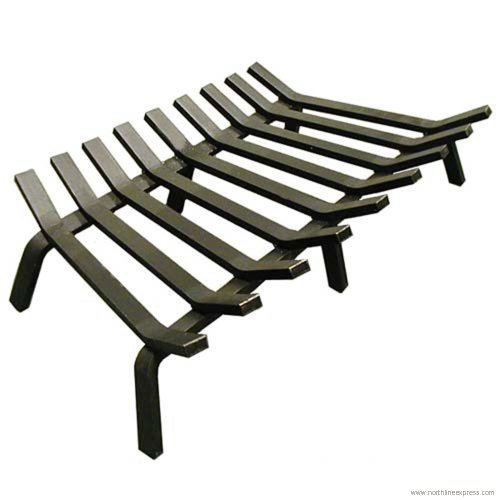
No, standard fiberglass insert insulation strips are designed exclusively for exterior trim flanges and cannot withstand direct firebox exposure. Most fiberglass surround strips carry a heat rating up to 225 degrees Fahrenheit, which suits the perimeter trim where the insert meets outer masonry. For internal firebrick cracks or joint repairs inside the combustion chamber near your shallow-depth steel fireplace grate, use high-heat refractory mortar rated up to 2,000 degrees Fahrenheit instead.
What is the difference between white-yellow, dark brown, and black insert insulation strips?
The primary difference lies in visual concealment against your hearth rather than temperature tolerance. Standard white or yellow fiberglass strips seal effectively but can show exposed edges if your metal flange sits unevenly on rough stonework. Black or dark brown fiberglass strips blend into dark masonry, cast iron surrounds, and decorative fireplace fronts for a clean, professional finish.
Does Rutland Fiberglass Fireplace Insert Insulation require liquid high-temperature adhesive to install?
No, most dedicated insert strips feature a peel-and-stick pressure-sensitive adhesive backing for tool-free installation. You simply clean soot and dust from the back of the insert flange, peel the backing paper, and press the strip firmly along the outer edge. The metal surround holds the insulation compressed tightly against the masonry once the insert is positioned into place.



Write Your Review
No reviews yet. Be the first to share your experience!