


Cracked cast iron and warped metal bars often turn an evening fire into an exercise in frustration by choking off crucial bottom airflow. Stacking seasoned split cordwood directly onto the firebox floor smothers active embers, creates excessive flue smoke, and makes morning ash cleanup unnecessarily tedious. Securing a reliable replacement like the vestal xb series 24 traditional steel fireplace grate solves these hearth challenges by lifting fuel several inches for superior oxygen circulation. Upgrading your setup to match a classic masonry firebox installation restores efficient drafting while keeping hot rolling logs safely cradled against the refractory rear wall.
Standard residential hearths demand thick steel construction capable of carrying dense hardwood logs without middle sagging under repeated thermal expansion. While some homeowners explore converting to a direct vent gas insert to avoid cordwood handling entirely, a rugged heavy-duty solid steel burning rack remains the ideal solution for open wood-burning fireplaces. Evaluating bar thickness, floor clearance, and ember retention features guarantees your new basket maintains reliable airflow and provides consistent seasonal performance across cold winter months.

Pros
- Six-leg structure with center supports helps prevent heat-induced sagging
- Four-inch elevation above the hearth floor allows ample airflow beneath burning logs
- Solid steel diamond-profile bars offer sturdy support compared to hollow tubing
- Arrives ready to use right out of the box with zero assembly required
Cons
- Requires careful firebox measurement since the 24-inch width and 15-inch depth will not fit compact or narrow hearths
- High-temperature paint finish may gradually wear or oxidize over time under intense wood fires
- Fixed bar spacing may allow smaller wood embers or kindling chunks to drop to the hearth floor before fully burning
The Mr IRONSTONE 24-inch fireplace grate is a heavy-duty firewood support rack designed for indoor wood-burning masonry fireplaces, patio fire pits, and wood stoves. Built to replace bent or worn-out factory grates, this unit caters to homeowners and cabin owners who burn split cordwood and need a dependable platform that keeps logs stable and elevated above the hearth floor.
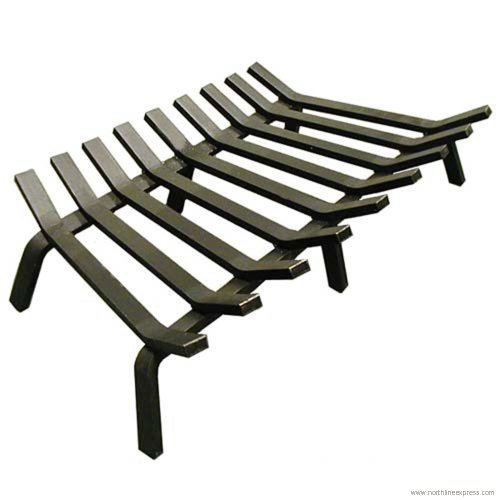
Combustion performance in a wood-burning fireplace relies heavily on proper oxygen circulation beneath the fuel bed. This grate provides a four-inch gap between the bottom of the rack and the firebox floor, which allows fresh air to circulate directly under kindling and logs while providing space for ash accumulation. The curved V-shaped frame holds up to seven solid steel crossbars, keeping split firewood clustered together in the center so embers stay concentrated without rolling out toward fireplace screens or hearth extensions.
Construction strength is the primary highlight of this grate. Unlike standard four-leg grates that tend to sag in the middle when exposed to prolonged heat and heavy oak or hickory logs, Mr IRONSTONE incorporates six solid steel legs, including two dedicated center support feet. The structure is assembled from thick diamond-profile solid steel rods secured with welded seams and finished in a black high-temperature protective coating, delivering a total weight of approximately 12.13 pounds.
Installation is completely non-existent because the unit arrives as a single, fully welded piece ready for immediate placement. In terms of dimensions, the grate measures approximately 24 inches wide, 15 inches deep, and 7 inches tall. Because many traditional masonry and prefabricated fireboxes taper toward the rear wall, buyers should measure the front width, rear width, and hearth depth of their fireplace before ordering to ensure the 15-inch depth and 24-inch front profile seat comfortably inside the opening.
While the six-leg design offers substantial structural support, a few realistic operational trade-offs apply. The fixed spacing between the seven steel bars is designed for standard split firewood, meaning small starter kindling or coal remnants can fall through to the firebox floor before fully combusting. Additionally, like virtually all painted steel hearth accessories, the black high-temperature coating will gradually burn off and show surface patina or oxidation under repetitive, intense open-flame burning cycles.
For homeowners and fire pit enthusiasts seeking a sturdy, zero-assembly log burning rack that resists sagging under routine firewood loads, the Mr IRONSTONE 24-inch grate is a practical and durable hearth investment. As long as your firebox dimensions accommodate its 24 by 15-inch footprint, it delivers reliable log elevation and steady under-fire airflow for everyday wood fires.
The Mr IRONSTONE fireplace grate measures 24.02 inches wide by 14.57 inches deep and stands 6.66 inches high, weighing roughly 12.13 pounds. The clearance from the hearth floor to the underside of the log bed is approximately 4 inches, leaving sufficient room for intake airflow and normal ash fallout.
Before purchasing, carefully measure the interior floor of your fireplace or fire pit. Pay particular attention to firebox taper, as many masonry fireplaces are narrower at the rear than at the front opening. Ensure your fireplace offers at least 24 inches of usable width and 15 inches of flat depth with adequate clearance away from the firebox walls.
This log rack is designed strictly for solid wood-burning applications, including indoor open masonry fireplaces, compatible wood stoves, and outdoor backyard fire pits. The V-shaped cradle configuration centers the firewood, preventing burning logs from shifting or rolling forward against protective fire screens.
The elevated four-inch stance separates firewood from dense floor ash, which helps kindle fires faster and maintains steady draft during prolonged burns. For maintenance, allow the grate and fireplace to cool completely before removing ashes or adjusting grate placement within the hearth.

Pros
- Durable 304 stainless steel resists rust and weather exposure far better than standard painted carbon steel
- Generous 4 1/3-inch bottom lift creates an effective under-fire draft for easier lighting and cleaner burns
- Comes fully welded and ready to use immediately without tools or assembly
- High clearance underneath simplifies routine ash shovel cleanup without needing to remove the grate
Cons
- The 24-inch width and 15-inch depth will not fit compact fireboxes or sharply tapered fireplace floors
- The bright silver stainless steel finish will naturally oxidize, darken, and patina permanently after exposure to open flames
- Lacks an integrated fine-mesh ember retainer, so small wood coals will drop straight through to the hearth floor
The BeneLabel 24-inch stainless steel fireplace grate is an elevated firewood rack engineered for wood-burning fireplaces, chimney hearths, wood stoves, and outdoor fire pits. Fabricated from heavy-duty SUS304 stainless steel, it serves homeowners and patio owners who need a rust-resistant alternative to traditional cast iron or painted mild steel grates that often corrode in humid environments or outdoor weather.
Solid airflow beneath the wood stack is critical for a clean, efficient fire, and this grate delivers a generous 4 1/3-inch lift above the hearth floor. By raising split logs well above the base, combustion air circulates underneath the fuel bed to feed kindling and burning logs. This elevated draft helps fires start more readily, burn hotter, and produce less unburned wood smoke compared to logs resting flat on the hearth.
Build quality centers on SUS304 stainless steel joined by solid welded seams. Unlike cast iron units that can crack under sudden thermal stress or thin painted wire racks that burn through, stainless steel maintains structural resilience and natural corrosion resistance. The fully welded configuration eliminates bolts, nuts, and multi-piece brackets that could loosen, warp, or strip under repeated exposure to hot coals.
Setup requires zero effort because the rack arrives as a single, fully assembled unit measuring 24 inches wide, 15 inches deep, and 6 1/2 inches high overall. Homeowners should verify their firebox floor width, rear taper, and depth before purchasing to ensure at least a few inches of clearance along the walls. Routine maintenance is straightforward, as the 4.33-inch bottom clearance leaves enough space for standard fireplace shovels and ash scoops to clean out spent ash without lifting the heavy grate.
Realistic limitations involve sizing and thermal discoloration. Because this grate spans a full 24 inches wide by 15 inches deep, it will not fit small fireboxes or tightly tapered hearths. The silver-white stainless finish will also darken, discolor, and develop a permanent heat patina after its first fire, which is normal for stainless steel exposed to direct wood combustion. Additionally, there is no fine ember mesh, so smaller glowing embers will fall directly to the floor beneath the bars.
For homeowners and outdoor fire pit owners seeking a durable, weather-resistant log holder that maximizes under-fire airflow, the BeneLabel 24-inch grate is a dependable and practical investment. Its 304 stainless steel build and zero-assembly design provide long-term reliability for anyone whose fireplace opening can accommodate its dimensions.
The BeneLabel fireplace grate measures 24 inches in overall width, 15 inches in depth from front to back, and 6 1/2 inches in total height. The firewood cradle sits 4 1/3 inches above the floor, providing a generous vertical pocket for airflow and ash collection.
Fireplace buyers must measure their firebox floor rather than the front opening alone. Many masonry and prefabricated fireboxes taper significantly toward the back wall. Ensure your hearth floor provides at least 26 to 28 inches of front width and a minimum of 16 to 18 inches of usable depth so the grate does not press against firebrick or damage internal gas starters.
Using an elevated log grate protects the hearth floor from direct thermal concentration while improving the overall efficiency of wood combustion. The 4.33-inch clearance allows oxygen to reach the underside of the firewood, resulting in quicker ignition and a steadier draft up the chimney flue.
Because this model is crafted from 304 stainless steel, it is equally suitable for covered patio hearths, outdoor fire pits, and open camping fires where moisture would quickly rust standard carbon steel. Keep in mind that direct heat from burning hardwoods will naturally alter the silver color into a bronze, blue, or dark gray patina over time.

Pros
- Heavy-duty 76-pound build made from 3/4-inch steel bars resists warping and burnout under sustained hearth fires.
- Solid 3/8-inch steel backing plate functions as a built-in fireback that projects radiant heat into your living area.
- Vertical cradle design naturally feeds logs downward while keeping smoke draft aligned with the flue.
- High-temperature paint finish provides initial protective coverage against the elements and hearth wear.
Cons
- Weighing 76 pounds, it is physically demanding to lift, reposition, or remove for routine hearth sweeping.
- Substantial 26 by 15.75 by 16.25-inch footprint will not fit small, shallow, or prefabricated zero-clearance fireboxes.
- Requires careful measurement of rear firebox tapering to ensure the 26-inch width clears the back masonry wall.
The Titan Great Outdoors Ash & Ember 26-Inch Fireplace Log Grate is a specialized, heavy-duty vertical fireback grate engineered specifically for wood-burning masonry hearths. Designed for homeowners seeking to improve radiant heat projection and minimize room smoke, this unit combines a log holder with an integrated reflective plate. It best suits wood fireplace owners with generous, deep firebox dimensions who want a rugged, self-feeding system that cuts down on constant log management.
Its standout operational advantage is the self-feeding vertical log configuration paired with a 3/8-inch solid steel backing plate. Rather than spreading split logs across a flat hearth floor, cordwood stacks upward against the rear uprights. As base logs combust, the logs above slide downward into the active ember bed. This design concentrates combustion near the back wall of the firebox, directing smoke straight up toward the chimney throat while the rear plate absorbs heat and radiates warmth into the living space.
Durability is anchored by an exceptionally sturdy 76-pound total weight and thick 3/4-inch solid steel bar construction. Standard lightweight wire or cast iron grates frequently sag, warp, or crack after one or two seasons of intense heating. In contrast, the thick steel bar stock on this model is built to endure high-temperature fires and heavy oak or hickory splits without buckling under the load.
In terms of dimensions, the grate spans 26 inches wide, 15.75 inches deep, and 16.25 inches high, featuring a 15.5-inch vertical log rise. Because masonry fireplaces frequently taper inward toward the rear, buyers should measure the back wall width as well as the front opening before ordering. Regular ash cleanup generally requires reaching around or beneath the frame with a narrow shovel, as repeatedly lifting a 76-pound metal grate out of the fireplace is impractical for most users.
While this vertical grate encourages cleaner drafting, it cannot cure underlying chimney drafting failures caused by blocked flues, insufficient chimney stack height, or severe negative room air pressure. Buyers should also verify that their fireplace floor can support a concentrated 76-pound steel base loaded with cordwood. Over time, expect the high-temperature paint finish at direct ember contact points to cure and weather naturally, which is typical for painted carbon steel in wood-burning environments.
For owners of full-sized masonry fireplaces looking for a durable replacement for thin stock grates, the Ash & Ember vertical model provides significant functional value. Its solid steel construction, integrated heat-reflecting backplate, and hands-off vertical feeding deliver dependable performance for regular wood-burning use.
Using a vertical grate alters standard fire-building technique for improved convenience. Instead of building a teepee or crisscross log stack, firewood is loaded horizontally across the bottom and stacked vertically against the rear uprights. Kindling and smaller starter logs are ignited underneath, initiating an ember base that gradually consumes the stacked wood from the bottom up.
Because the firewood stays tucked near the back wall, air draws smoothly through the bottom opening while smoke ascends directly toward the flue damper. This rear-biased burning pattern helps reduce downdrafts and keeps floating ash farther back in the firebox. Ensure adequate clearance beneath the bottom bars so ash buildup does not choke the combustion air intake during prolonged burning sessions.
The Ash & Ember grate is constructed from solid 3/4-inch structural steel bar stock welded together to withstand the intense thermal cycles of wood fires. At 76 pounds, it provides substantially more metal mass than typical retail hearth grates, which directly aids in thermal durability and structural integrity.
The integrated 3/8-inch solid steel plate serves double duty as a sturdy log support and a functional fireback. It shields the rear firebox wall from direct log impacts and intense localized flame impingement while redirecting stored thermal energy into the living area. The entire assembly is coated in high-temperature paint to protect the steel during shipping, handling, and initial burning cycles.

Pros
- Solid one-piece cast-iron build avoids broken welds and sagging under heavy log loads
- 2.2-inch bottom clearance provides reliable draft circulation beneath the wood pile
- Tapered front-to-back sizing fits standard trapezoidal fireplace fireboxes neatly
- Narrow slot gaps keep burning embers elevated instead of dropping quickly into cold ash
- Ready to use straight out of the box with no nuts, bolts, or tools needed
Cons
- Tapered 20.5-inch back dimension requires careful firebox rear-wall measurement before purchasing
- Product documentation contains a minor discrepancy between title steel naming and detailed cast-iron specifications
- Low 2.2-inch clearance provides limited room for large ash shovels while the fire is active
The AGTEK 24-Inch Fireplace Log Grate is a solid firewood holder engineered for traditional open-hearth masonry fireplaces, outdoor fire pits, and wood-burning stoves. Designed for homeowners looking to replace an old, sagging rack or improve airflow under their firewood, this grate elevates fuel above the floor to establish a steady draft. It arrives as a single cast piece, offering a hassle-free setup for anyone wanting dependable hearth hardware without mechanical assembly.
Airflow from below is essential for maintaining an active wood fire, and the 2.2-inch leg clearance on this grate allows oxygen to circulate freely beneath the logs. The gently curved cradle geometry keeps round firewood securely nested in the center of the rack, minimizing the risk of logs rolling forward into spark screens or hearth rugs. Additionally, closely spaced tines prevent small chunks of glowing wood from falling through prematurely, keeping a concentrated bed of coals active right beneath the fresh timber.
Construction quality is a critical factor for any fireplace grate subject to intense thermal cycling. According to the manufacturer specifications, this model is formed from solid cast iron with a protective black powder-coated finish rather than welded steel strips. Cast iron naturally resists the sagging and joint failures common in hollow or welded wire racks, providing reliable support under the weight of dense oak, hickory, or mixed hardwoods throughout the winter season.
Proper fitment requires verifying the exact footprint of your firebox floor. The AGTEK grate features a trapezoidal shape measuring 24 inches wide across the front, 20.5 inches wide across the back, and 15 inches deep from front to rear. Because many masonry fireboxes taper inward toward the flue, this tapered profile matches common hearth angles, but buyers should ensure at least 1 to 2 inches of side clearance for easy positioning, ash shovel access, and fire poker adjustments.
A practical limitation to keep in mind is the vertical clearance underneath the rack. While 2.2 inches is well-suited for drawing combustion air, it leaves tight clearance for maneuvering standard fireplace ash shovels while coals are hot, making comprehensive cleanout easiest after the hearth has fully cooled. Furthermore, buyers with shallow or square-cornered fireboxes must confirm their rear firebox width exceeds 20.5 inches so the back legs sit flat on the brick floor.
For homeowners and woodburners needing a rugged, no-nonsense fireplace grate that cradles logs securely and improves bottom-draft efficiency, this AGTEK 24-inch unit is a practical hearth upgrade. As long as your firebox measurements confirm adequate width and depth for its tapered dimensions, it provides a sturdy, coal-conserving platform for seasonal home heating and fireside enjoyment.
The AGTEK fireplace log grate measures 24 inches across the front opening, 20.5 inches across the rear width, and 15 inches in overall depth from front to back. The integrated legs provide 2.2 inches of clearance between the firebox floor and the bottom of the log cradle.
Before purchasing, measure the width of your firebox floor at both the front opening and the back wall, along with the usable depth. To allow adequate air circulation and easy ash cleanup around the sides, your firebox should ideally provide at least 1 to 2 inches of extra space beyond these listed dimensions on all sides.
This burning rack is intended for seasoned firewood in residential masonry fireplaces, manufactured wood-burning fireplaces with suitable clearance, wood stoves, and outdoor fire pits. The curved basket keeps split logs and kindling gathered together for cleaner ignition and continuous flame development.
The narrow gaps between the cast-iron bars serve to retain hot embers, preventing early drop-through into the ash bed. For optimal safety and hearth hygiene, pair the grate with a compliant fireplace screen or spark guard and clear out accumulated ash once it reaches within an inch of the lower grate bars to preserve free airflow.

Pros
- Heavy 13.88-pound solid steel build with 6 legs prevents center sagging under hefty log loads
- Angled V-shape geometry securely cradles burning wood and reduces the hazard of rolling logs
- Generous 4-inch under-grate clearance allows optimal oxygen circulation and easy ash shovel access
- One-piece fully welded construction eliminates bolts that loosen or strip under heat expansion
Cons
- Manufacturer listings omit specific rear width and depth measurements, requiring careful firebox tapering checks
- Wide spacing between the seven round bars allows smaller hot coals and wood chunks to fall through quickly
- High-temperature direct coal exposure will eventually wear and bake away the decorative powder-coat finish
The taiheis 21-Inch Heavy Duty Solid Steel Fireplace Grate is an unadorned, practical hearth accessory made for traditional wood-burning setups. Designed specifically for indoor masonry fireplaces, factory-built wood fireboxes, and outdoor backyard fire pits, this one-piece unit suits homeowners looking to replace a cracked cast-iron grate or upgrade from a flimsy wire rack. Its straightforward job is to hold firewood securely above the floor, and its dimensions make it an attractive candidate for standard medium-sized fireplace openings.
Air circulation directly dictates how easily a wood fire catches and burns, and this grate focuses squarely on airflow. Raising the bottom of your wood pile four inches off the ground allows oxygen to draft freely beneath the fuel bed. This elevated space also prevents damp wood from sitting directly against cold masonry or chilled ground, encouraging quicker ignition and more complete combustion with fewer unburned log ends. The V-shaped profile, formed by bending seven steel bars upward at a 45-degree angle, holds split logs securely inward so burning rounds do not tumble out toward fireplace screens or glass doors.
Build quality centers on solid round steel stock rather than lightweight tubular metal. Every joint is factory-welded, combining seven contoured crossbars with six solid support legs. Distributing firewood weight across six contact points reduces the risk of the center bowing under the weight of wet or heavy oak and hickory logs. The entire unit weighs 13.88 pounds, giving it enough heft to stay put when you use a poker or drop a heavy split log into the firebox. A matte black powder-coat finish covers the metal to offer initial rust protection and a neat presentation on the hearth.
Using this grate requires no assembly or tool work. You can take it out of the shipping carton and set it directly on your firebox floor or fire pit base. The four-inch elevation provides ample clearance for an ash shovel or hearth brush to slide underneath for mid-season cleanouts without having to move the entire rack. Because it is a unified welded frame, you never have to worry about loose screws, nuts backing off from thermal expansion, or wobbly legs over time.
A notable limitation involves dimension transparency. While the front width is clearly listed at 21 inches, the manufacturer does not specify the rear width or front-to-back depth. Because many masonry and prefabricated fireplaces taper significantly toward the back wall, buyers must measure their firebox floor depth and rear width carefully to ensure proper fit. Additionally, while the matte black coating looks clean initially, any powder-coated or painted finish on a wood grate will eventually burn off where coals rest directly against the metal. The spacing between the seven bars is also wide enough that smaller embers drop to the floor relatively quickly.
For owners of wood-burning hearths seeking an affordable, sturdy log cradle, the taiheis 21-inch grate delivers solid practical value. Its six-leg foundation, thick steel construction, and pre-assembled design provide reliable support and safe log retention. As long as your firebox has enough depth and taper allowance to accommodate a 21-inch frame, it serves as a durable, functional addition to any winter burning routine.
Proper fit is critical when selecting any fireplace grate. Fireboxes typically taper inward from front to back, which means a grate that fits across the front opening may contact the refractory brick or masonry along the rear corners. Before ordering the taiheis 21-inch model, measure your firebox floor width at both the front and back, as well as the usable depth from front to back.
Maintaining at least two to three inches of clear space around all sides of the grate is recommended. This perimeter gap ensures optimal drafting up the chimney flue, prevents localized heat stress on the firebox walls, and leaves adequate room to operate fireplace tongs and pokers safely around the wood load.
Unlike budget fireplace grates that rely on hollow metal tubes or bolt-together assemblies, the taiheis grate utilizes solid round steel rods with 100 percent welded joints. This eliminates common failure points caused by repetitive heating and cooling cycles, which frequently cause bolted grates to loosen or warp.
The inclusion of six dedicated support legs offers a distinct structural benefit over basic four-leg racks. By supporting the center span where heat is most concentrated and log weight is heaviest, the additional mid-frame legs help prevent center sagging and extend the working life of the steel frame.

Pros
- Solid 1/2-inch steel bar construction resists bending better than hollow tubular grates.
- Built-in ember retainer prevents glowing coals from falling through prematurely, maintaining firebox heat.
- Arrives fully assembled for instant setup in any compatible wood fireplace.
- Generous 7-inch height provides ample clearance underneath for natural airflow and easier ash shoveling.
Cons
- Requires careful measurement of the firebox depth and rear taper to ensure the 24 by 12 inch frame fits cleanly.
- Not engineered for non-wood fuels, gas log conversions, or pellet heating systems.
- Lighter than heavy-duty cast-iron alternatives, making it better suited for standard residential use rather than continuous commercial heating.
The Pleasant Hearth 24-Inch Solid Steel Fireplace Grate is a practical wood-burning hearth accessory engineered for homeowners looking to optimize their firebox performance. Featuring a 5-bar layout built with 1/2-inch solid steel bars, this freestanding grate safely elevates split cordwood inside masonry or factory-built wood fireplaces. It is particularly well suited for existing fireplace owners who struggle with sluggish fire starts or logs that smother in their own ash bed.
Functionally, the grate lifts firewood roughly 7 inches above the firebox floor, which allows chimney-driven airflow to circulate completely around and beneath the burning fuel. The inclusion of an integrated ember retainer is a major operational benefit, as it traps glowing coals directly under the logs instead of letting them fall flat onto the cold firebrick. Holding the ember bed up close to the wood maintains higher localized temperatures, resulting in a hotter, more efficient burn that ignites fresh logs with minimal poking.
Build quality centers on 1/2-inch solid square steel bars finished in classic black. Solid steel offers far greater resistance to heat warping and premature burnout than lightweight hollow tubes often found in budget hearth hardware. At 8 pounds, the unit provides enough heft to stay anchored when loading heavy split logs, yet it remains light enough to lift out easily when performing seasonal chimney maintenance or scooping cold ash into a bucket.
Setup could not be simpler because the grate ships fully welded with zero assembly needed. It measures 24 inches wide by 12 inches deep with a total height of 7 inches. Before ordering, buyers should measure the front width, rear width, and floor depth of their firebox, accounting for any slanted side walls to confirm that the rectangular footprint will sit level without striking the back refractory panel.
A realistic limitation is that this grate is designed specifically for wood-burning applications and should not be used as a platform for loose gas coals or decorative media without a compatible burner system. Additionally, while the 1/2-inch solid steel is dependable for standard evening and weekend fires, buyers who run continuous, heavy heating fires all winter long may eventually prefer ultra-thick commercial steel or cast iron.
The Pleasant Hearth 24-Inch Grate offers reliable construction and smart ember management at a practical price point. Its combination of solid materials, generous under-grate clearance, and integrated coal retention makes it a straightforward upgrade for anyone looking to achieve cleaner, livelier fires in their wood-burning fireplace.
Using a dedicated fireplace grate like this Pleasant Hearth model helps protect the bottom of the firebox by keeping the hottest part of the fuel bed slightly suspended. The 7-inch height creates a dedicated air channel that feeds incoming combustion air directly to the underside of the wood, reducing smoke rollback and helping established fires draw properly.
The built-in ember retainer works by catching fractured pieces of hot charcoal and keeping them consolidated. This localized heat source helps dry out slightly damp wood and accelerates ignition when adding a new log. Hearth owners should allow ashes to cool completely before using a metal shovel to clear the area underneath the grate bars to preserve optimal airflow.
The Pleasant Hearth grate features a nominal width of 24 inches, an overall depth of 12 inches, and a height of 7 inches. Because many traditional masonry and manufactured fireboxes feature tapered side walls that narrow toward the back, measuring only the front opening is not sufficient.
Homeowners should measure their hearth floor at the exact 12-inch depth mark from front to back to verify that at least 24 inches of clearance exists. Leaving a small clearance gap between the steel bars and the firebox walls prevents thermal expansion from pushing against firebricks or mortar joints during high-heat fires.

Pros
- Extra center support legs distribute weight evenly to eliminate the sagging common in standard four-leg grates.
- Four-inch elevation provides generous underneath clearance for paper, kindling, and rapid draft initiation.
- V-shaped cradle holds cordwood securely in place without logs rolling outward toward the hearth opening.
- Heavy 3/4-inch diagonal steel rods offer lasting structural strength compared to thin wire racks.
Cons
- Requires bolt-together assembly out of the box rather than arriving as a single pre-welded unit.
- The 24-inch by 14.5-inch footprint requires a relatively wide and deep firebox floor to sit level.
- Protective black paint will naturally cure and wear away under direct burning coals over time.
The SINGLYFIRE 24-inch fireplace grate is engineered for homeowners and outdoor fire pit enthusiasts who need a rugged, elevated platform for burning split cordwood. Sized to fit medium to large masonry fireplaces, open hearths, and backyard fire pits, this log holder addresses the most common failure point of entry-level grates: center sag caused by intense bed heat. By adding two center support legs beneath the main fuel basket, it provides a stable foundation for regular wood-burning sessions.
Elevating firewood four inches above the firebox floor directly improves fire-starting speed and overall combustion quality. Lifting the wood bed creates an under-grate channel for air intake, feeding oxygen directly to the coals and kindling while allowing spent ash to drop clear of the active embers. The curved V-shape profile naturally pulls round logs toward the center of the rack, preventing burning splits from rolling forward against fireplace screens or glass doors.
Construction quality centers on solid steel bar stock with a diagonal measurement of 3/4 inch, organized into seven transverse bars. The frame utilizes welded joints at key junctures and is coated in a black high-temperature paint finish designed to handle standard fireplace temperatures. The six-leg configuration, consisting of four corner legs and two middle supports, evenly transfers the weight of dense hardwoods like oak or hickory across the fireplace floor.
With exterior dimensions of 24 inches wide, 14.5 inches deep, and 7 inches high, this grate requires an appropriately sized firebox. Because masonry fireplaces frequently taper inward toward the back wall, buyers should measure the width across both the front opening and the rear firebox wall, along with total floor depth, to confirm clearance. Assembly is required prior to use, involving basic mechanical fastening guided by the included manufacturer instructions.
A realistic consideration with this model is that hardware connections should be checked periodically, as repeated thermal expansion and contraction cycles can loosen standard fasteners over a long winter season. In addition, the factory black paint finish serves primarily as a protective coating during shipping and initial handling; direct contact with burning wood coals will eventually bake off the finish, requiring regular ash removal and dry conditions to protect the underlying steel from surface rust.
For owners of wood-burning fireplaces or outdoor fire rings seeking better airflow and structural support without the brittleness of cast iron, the SINGLYFIRE 24-inch grate is a practical, value-oriented hearth accessory. Confirm that your firebox depth accommodates the 14.5-inch spread and that the floor allows for a 24-inch span before purchasing.
This fireplace grate measures exactly 24 inches wide, 14.5 inches deep, and 7 inches high, with a 4-inch gap between the bottom of the log rack and the hearth floor. Fireplace owners should carefully measure the interior floor of their firebox before ordering, as nominal fireplace opening widths do not reflect interior floor dimensions.
Many traditional masonry fireplaces feature trapezoidal fireboxes that narrow significantly toward the back wall. Ensure that your hearth floor provides at least 24 inches of clearance across the front, adequate width across the rear, and a minimum of 15 inches of usable front-to-back depth so the grate sits flat without contacting rear firebrick.
Using a raised grate promotes cleaner burning by maintaining continuous airflow beneath the kindling bed. The 4-inch floor clearance allows sufficient room to position fire starters, fatwood, or crumpled paper beneath dry kindling, reducing chimney smoke on startup.
To maintain the steel structure over time, avoid extinguishing fires with cold water, which can induce thermal shock and warp steel bars. Allow ash to cool naturally before clearing underneath the grate with a standard hearth shovel, keeping the area clear to preserve optimal intake draft for future fires.
Frequently Asked Questions
What firebox dimensions are required to fit a 24-inch fireplace grate?
Measure your firebox floor width, rear width, and depth to confirm at least 2 to 4 inches of perimeter clearance around the grate. A standard 24-inch front grate typically tapers inward toward the rear, requiring approximately 26 to 28 inches of front hearth opening width and 14 to 16 inches of depth. Proper clearance prevents scratching interior refractory brick and ensures unhindered airflow around the steel frame.
How does floor clearance affect combustion efficiency in the 2026 burning season?
Raising firewood 2 to 4 inches off the hearth floor dramatically improves primary air intake beneath the fuel bed. Elevated grates allow draft air to flow freely beneath burning logs, feeding the flames oxygen while letting spent ashes drop clear of the active coal bed. This enhanced airflow helps minimize sluggish smoldering and assists fireplace ventilation and chimney draft during startup.
Can a vestal xb series 24 traditional steel fireplace grate be used in gas fireboxes?
No, traditional heavy-duty steel log grates are engineered strictly for solid cordwood fuel in open masonry or factory-built wood hearths. Installing a solid steel wood grate inside a dedicated zero-clearance gas fireplace violates appliance listings and disrupts burner pan gas distribution. Always verify manufacturer burner ratings and use only designated gas log cradles for gaseous fuel systems.
What is the primary benefit of an integrated ember retainer?
An ember retainer keeps hot coals concentrated directly beneath the main logs rather than letting them fall prematurely into the cold ash bed. Holding glowing embers in close contact with incoming wood preserves bed temperature, generates longer-lasting heat output, and simplifies kindling new splits. Solid steel models with tight bar spacing or attached mesh retainers offer this heat-conserving advantage.
Why do steel fireplace grates sag, and how do middle support legs prevent it?
Middle sagging occurs when sustained firebox temperatures soften steel bars under the concentrated downward weight of heavy firewood. Grates equipped with extra center support legs distribute heavy load points evenly across six contact pads rather than just four corners. This reinforced six-leg architecture prevents center bowing and significantly extends the operational lifespan of the frame.
What maintenance is recommended to keep a 24-inch steel fireplace grate in good condition?
Clear accumulated ash piles regularly to maintain at least an inch of air space beneath the bottom bars during burns. Trapping hot coals in deep ash suffocates the metal, which accelerates thermal fatigue and bar warping. Allow the firebox to cool completely before using a metal shovel to clear the floor, and avoid cooling hot steel grates with water to prevent metal shock.



Write Your Review
No reviews yet. Be the first to share your experience!