


Drafty living rooms push many homeowners to upgrade their open hearths before harsh winter temperatures arrive. Installing an enclosed firebox transforms an inefficient, draft-prone masonry opening into a dependable heat generator for daily comfort. Homeowners researching options like superior wct6800 traditional wood burning fireplaces often want robust heat output without sacrificing traditional flame ambiance. Sizing up these appliances requires checking fuel sources, rough opening dimensions, and flue paths so you don’t buy an appliance that clashes with your structural framing.
Modern solid-fuel units meet EPA emissions standards via secondary combustion, while direct-vent gas alternatives deliver clean warmth through electronic ignition. Selecting the best heating match involves reviewing circulating blowers, heavy-duty firebrick lining, and maximum log capacities. Homeowners who want standalone heating options can also evaluate freestanding wood burning fireplaces for open floor plans. Checking manufacturer clearance specs and user feedback helps verify that your Superior Wct6800 Traditional Wood Burning Fireplaces setup provides safe, long-lasting supplemental zone heating across chilly seasons.

Pros
- EPA 2020 compliant clean-burn design reduces smoke and particulate emissions through secondary combustion
- Comes standard with both the 100 CFM air-circulating blower and the decorative surround faceplate
- Accommodates standard 18-inch firewood logs to minimize cutting and reloading chores
- Built with rugged 3/16-inch plate steel, an interior firebrick lining, and a solid cast-iron door
Cons
- Overall dimensions require careful pre-purchase measurement of existing fireplace cavity depth and height to ensure proper fit behind the faceplate
- Flue liner diameter and venting connection specifications are not detailed in the basic product data and must be verified prior to installation
- Heating rating of 1,200 square feet is intended for supplemental zone heating rather than large whole-home coverage
The Comfort Glow CGWI1800 is an indoor wood-burning fireplace insert designed to convert traditional, drafty open masonry fireplaces into sealed, high-efficiency heat sources. Standard open fireplaces often pull more warm air out of the home through the chimney than they provide in radiant heat. This unit addresses that issue directly, making it a compelling option for homeowners who have an existing fireplace opening and want cleaner, more effective supplemental wood heating.
Heating capability centers on an EPA-compliant secondary combustion system that meets 2020 particulate emissions standards. By re-burning smoke and volatile gases before they exit the chimney, the insert extracts more heat from cordwood while significantly reducing emissions. Comfort Glow rates this unit to heat up to 1,200 square feet, which makes it well suited for mid-sized living rooms, open floor plans, or finished basements. Air circulation is supported by an included 100 CFM blower, which actively pulls room air around the hot steel firebox and discharges it back into the living area.
Build quality is rugged, utilizing reinforced 3/16-inch plate steel for the primary firebox body. The interior is lined with protective firebrick, which shields the steel structure from extreme temperatures while improving heat retention. A sturdy cast-iron loading door houses a large ceramic glass window that keeps the flames visible, while a cool-touch spring handle helps ensure safer operation when opening the door to add wood.
Log loading is practical for everyday winter use because the firebox accommodates logs up to 18 inches long. This generous capacity means less time spent cutting split cordwood down to unusual sizes. For aesthetic finishing, the unit includes a black decorative faceplate. The overall listed dimensions of 20 inches deep, 44 inches wide, and 31 inches high reflect the assembly with its surround, helping conceal rough masonry gaps around the existing fireplace opening.
Prospective buyers should carefully plan the installation process before ordering. While the exterior faceplate measures 44 inches wide by 31 inches high, the inner firebox dimensions and exact cavity depth requirements must be verified against your masonry opening. In addition, installing a wood insert into an existing chimney requires a properly sized, code-compliant stainless steel flue liner, which is not included and must be sourced separately based on manufacturer installation instructions.
For homeowners looking to eliminate hearth drafts and regain useful heat from their cordwood, the Comfort Glow CGWI1800 provides substantial value. With heavy-gauge plate steel construction, EPA 2020 clean-burning compliance, an included 100 CFM blower, and an integrated decorative faceplate, it delivers a comprehensive upgrade package for existing fireplace owners.
The Comfort Glow CGWI1800 is engineered around an EPA-compliant secondary combustion burn system that satisfies 2020 federal particulate standards. This design introduces preheated oxygen above the fuel bed, re-igniting volatile smoke particles and increasing heat extraction while lowering chimney emissions.
With a manufacturer-listed heating area of up to 1,200 square feet, this insert provides practical supplemental zone heat. The integrated 100 CFM circulating blower prevents heat from stagnating near the ceiling or escaping up the masonry, actively distributing warm airflow across the living space.
The exterior footprint of this insert is listed at 31 inches high, 44 inches wide, and 20 inches deep, which includes the decorative faceplate trim. The faceplate functions to frame the fireplace opening cleanly, bridging the transition between your existing masonry and the steel firebox.
Internally, the firebox accepts firewood logs up to 18 inches long, allowing owners to burn standard cordwood. Because existing fireplace openings vary widely, always measure your inner hearth width, height, and depth to ensure the firebox body clears your fireplace cavity while the faceplate adequately covers the outer opening.

Pros
- Dual-sided see-through layout provides shared ambiance across two distinct living spaces simultaneously
- Factory-set for natural gas with the operational convenience of electronic ignition
- Direct-vent sealed combustion exhausts outdoors rather than drawing room air
- Clean black firebox interior creates a sharp aesthetic contrast for the flames
Cons
- Requires professional framing, dedicated natural gas plumbing, and exterior direct-vent pipe routing
- Liquid propane operation requires verifying authorized conversion kit availability prior to purchase
- Specific rough opening dimensions, BTU heat output, and included burner media must be confirmed in the product manual
The Superior Fireplaces 35-Inch Direct-Vent See-Through Fireplace is a built-in natural gas hearth appliance designed to connect two separate living zones with a shared flame presentation. Featuring a dual-sided viewing window, electronic ignition, and a clean black interior, this unit is tailored for homeowners, homebuilders, and remodelers creating an architectural centerpiece in a dividing wall, such as between a great room and dining area, or a primary bedroom and sitting room.
Operating on residential natural gas, this fireplace utilizes direct-vent technology to maintain an efficient, sealed combustion cycle. Direct venting pulls exterior air for combustion and vents exhaust gases outside, helping preserve indoor air quality compared to open or unvented alternatives. The integrated electronic ignition system provides a modern startup method, eliminating the fuel waste associated with older continuous standing pilot lights while maintaining dependable burner ignition.
The construction centers on a 35-inch firebox framework with a finished black interior designed to maximize visual contrast against active flames. Because see-through installations are visible from opposing sides of a wall, the interior lining and glass viewing panels are engineered to present a symmetrical, polished aesthetic from both angles. The dark backdrop adds depth to the firebox, giving the fireplace a clean, contemporary appearance regardless of which room you are viewing it from.
Installation of this see-through unit requires comprehensive rough framing, careful direct-vent pipe routing to an exterior wall or roof, and a dedicated natural gas line connection. Because it mounts inside an interior partition wall, builders and contractors must adhere strictly to manufacturer clearance requirements to combustible framing materials, drywall, and surrounding finishes. Planning the venting pathway and verifying structural header placements are essential steps before securing the unit in place.
Before ordering, buyers should note that crucial technical specifics-such as exact rough framing cutouts, BTU heat ratings, blower compatibility, and included decorative media like logs or fire glass-are not detailed in this listing and must be verified directly with the manufacturer or product manual. Additionally, this unit is configured specifically for natural gas; buyers requiring liquid propane operation must verify whether a certified conversion kit is officially supported rather than attempting improvised modifications.
For homeowners and contractors aiming to elevate an open-concept layout with dual-room ambiance, this 35-inch direct-vent natural gas model provides an elegant, premium design framework. It delivers the aesthetic impact of a see-through architectural hearth combined with the convenience of electronic ignition. Confirm framing dimensions, professional installation requirements, and venting clearances beforehand to ensure a seamless remodel.
This fireplace is engineered specifically for natural gas (NG) supply connections. Natural gas and propane systems operate at different manifold pressures and require different orifice sizes, so propane users should verify the availability of an approved manufacturer conversion kit before purchasing.
The direct-vent (DV) designation indicates a sealed combustion system. Direct-vent fireplaces draw outside air for combustion through a coaxial or co-linear pipe system and expel exhaust gases directly outdoors, making proper venting pathway planning a key prerequisite for safe operation.
See-through fireplaces require specialized framing within a dividing wall partition. Because the firebox penetrates both sides of the wall, framing headers and stud placement must accommodate the rough opening dimensions while maintaining required clearances to combustible materials.
Due to the integration of rigid direct-vent piping, gas line plumbing, and electrical connections for the electronic ignition system, installation should be conducted by qualified gas service professionals and licensed contractors in accordance with local building codes.
Practical Hearth and Heating Questions Answered
Can a wood burning insert heat an entire house?
No, wood inserts typically provide supplemental zone heat for targeted living areas. The Comfort Glow CGWI1800 lists heating coverage up to 1,200 square feet with an integrated 100 CFM blower. Whole-home heating depends on ductwork, insulation, and home layout, which a single hearth appliance cannot manage alone.
How do direct-vent gas fireplaces differ from wood fireplaces?
Direct-vent gas units use sealed combustion chambers that exhaust gases outdoors through specialized coaxial vents rather than open chimneys. The Superior 35″ DV model operates on natural gas with electronic ignition for push-button flame control. In contrast, superior wct6800 traditional wood burning fireplaces options burn solid logs that require active flue draft and routine ash cleanup.
Why are secondary combustion tubes necessary in wood inserts?
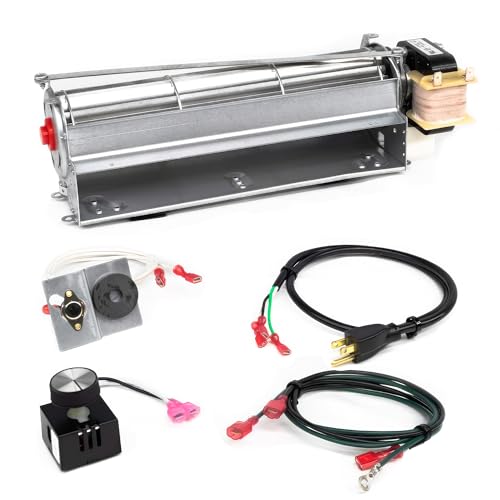
Secondary air tubes feed preheated oxygen into the upper firebox to burn off smoke particles before they exit the flue. This process satisfies EPA 2020 particulate standards for cleaner combustion. Over time, inspecting your secondary air tube fireplace parts ensures steady airflow and prevents creosote accumulation.
What log size fits into the Comfort Glow insert?
Logs up to 18 inches in length fit horizontally inside the firebox. Loading seasoned hardwoods between 16 and 18 inches provides longer burn times and reduces refueling frequency. Forcing oversized firewood against the cast-iron door or ceramic viewing glass risks damaging internal seals and components.
Do sealed fireplace doors eliminate the need for spark screens?
Yes, sealed glass and cast-iron doors keep flying embers securely contained during operation. Traditional open hearths often require a standalone flat fireplace screen for ember containment, whereas enclosed units protect floors automatically. Always confirm your hearth extension meets local safety codes before firing any appliance.



Write Your Review
No reviews yet. Be the first to share your experience!