


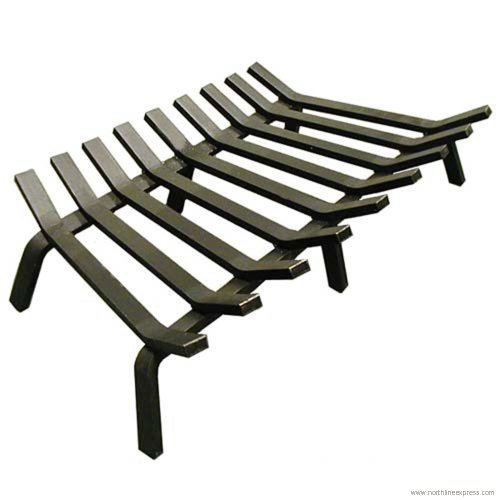
Cracked firebox mortar and scorched back walls are common headaches for anyone burning wood regularly through the winter. A bare masonry wall absorbs punishment from intense open flames, allowing valuable heat to escape right up the flue instead of warming your living space. Installing a solid plate like the Dagan Industries Fb Me 19 Black Fireplace Fire Back creates a sturdy heat shield that reflects radiant warmth directly into the room. Pairing this heavy barrier with an appropriate extra large fireplace grate helps elevate firewood and improves overall airflow. Taking time to double-check firebox depth and rear width prevents common clearance issues before you lift a heavy iron plate into position.
Solid iron plates absorb fierce thermal shock while keeping direct flames off sensitive firebrick, saving you from expensive mortar repairs down the road. Most options range between 8 mm and 13 mm in thickness, providing the heft needed to prevent warping over long burning seasons. Many models also include bolt-on support feet, so you can adjust the angle and leave enough room for regular ash cleanup. Evaluating manufacturer dimensions, plate thickness, and firebox floor clearance ensures your replacement dagan industries fb me 19 black fireplace fire back setup delivers reliable protection and better radiant warmth throughout the coldest months.

Pros
- Substantial 8mm thick iron construction resists warping and thermal breakdown under direct flame contact.
- Effectively reflects radiant heat forward into the living area rather than allowing it to escape into the chimney wall.
- Comes with two dedicated support feet for immediate freestanding installation with no mounting hardware required.
- Sized at 22 inches wide by 25 inches high to shield the central wear zone of standard masonry fireplaces.
Cons
- Heavy iron construction requires two-handed lifting and careful placement inside the hearth.
- Requires measuring rear firebox width, depth, and grate clearance to ensure proper fit before purchase.
- Does not feature decorative relief patterns for buyers seeking an ornate, cast-art aesthetic.
The Zettfuly 22-Inch Fireplace Fireback Plate is a protective and heat-reflecting hearth accessory engineered for homeowners with traditional wood-burning fireplaces. Over seasons of frequent burning, direct flame and continuous thermal cycling can cause firebrick to spall and mortar joints to crumble. This fireback acts as a durable thermal shield placed between the fire and the rear wall of the firebox, making it a great addition for anyone seeking to preserve historic or modern fireplace masonry.
Beyond structural masonry protection, this iron fireback improves fireplace heating efficiency. Traditional open fireplaces lose a large percentage of heat directly up the chimney flue or into the surrounding masonry structure. By positioning this solid iron plate behind the fire grate, the heavy metal absorbs thermal energy and radiates it forward into the living room, helping raise ambient room temperature without requiring mechanical blowers or electricity.
Build quality centers on solid 8mm thick iron construction coated in a high-temperature black finish. Unlike lightweight sheet-metal heat shields that can flex or warp under high temperatures, the thick plate provides the heft and thermal mass needed for repeated, high-heat wood fires. The uniform flat design provides consistent structural strength across the entire surface.
Installation is straightforward thanks to the two included fireback support feet. Homeowners simply position the support feet on the floor of the firebox near the rear corners, then seat the fireback plate securely onto them. Because it relies on a freestanding design, there is no need to drill into brick, apply mortar, or permanently alter your hearth.
Prospective buyers should take a few dimensional measurements before purchasing. Sized at 22 inches wide and 25 inches high, this unit requires adequate clearance across the back wall of the firebox. You should also check the depth of your existing fireplace grate to ensure that firewood and the grate itself do not push the fireback off its support feet or lean awkwardly against it.
For homeowners looking to protect their fireplace investment and capture more radiant warmth from every fire, the Zettfuly 22-Inch Fireback delivers reliable utility. Its thick iron build, simple freestanding installation, and effective heat reflection make it a practical, long-term upgrade for any wood-burning hearth.
The Zettfuly fireback measures 22 inches in width and 25 inches in height, with an 8mm thickness. These proportions provide vertical and horizontal coverage across the central flame area where rear wall heat exposure is most severe.
Before ordering, measure the flat width of your rear firebox wall, noting that many masonry fireplaces feature tapered sidewalls that narrow toward the back. Ensure your firebox has at least 23 to 24 inches of clear rear width to allow comfortable placement.
Account for the footprint of the two included support feet as well as the depth of your fireplace grate. The grate should sit safely forward of the fireback without pressing directly against the face of the plate.
Firebacks serve as both passive heat reflectors and structural masonry shields. By placing dense iron directly behind the fire, radiant energy that would normally soak into the back chimney wall is bounced outward toward the hearth and living space.
By blocking intense flame impingement, the fireback shields rear firebrick and mortar from extreme temperature spikes. This significantly reduces thermal degradation, cracking, and costly chimney masonry repairs over the lifetime of the fireplace.

Pros
- High heat resistance up to 1400°F shields vulnerable firebox masonry from thermal stress
- Includes adjustable support feet for stable, freestanding placement without wall drilling
- Lighter 17.4-pound iron construction makes handling and routine fireplace ash cleaning easier than massive cast-iron firebacks
- Matte black finish offers a clean, modern aesthetic that blends seamlessly into dark fireboxes
Cons
- Listed dimensions show discrepancies between product descriptions (26-inch width by 16.9-inch height versus package dimensions), requiring careful firebox measurement
- Lighter weight compared to thick solid cast iron may store less residual thermal mass once the fire dies down
- Manufacturer efficiency percentage claims are not backed by standardized third-party lab testing
The Sienson 26-Inch Fireplace Back Plate is a freestanding iron fireback engineered to reflect radiant heat into the room while protecting firebox masonry from high-temperature wear. Designed for wood-burning and compatible gas fireplace owners, this heat reflector serves as a protective barrier between active flames and the rear hearth wall. It is especially suited for homeowners who want to preserve older firebox brick or boost room warmth without hauling an unwieldy, hundred-pound cast-iron fireback into their living space.
In traditional fireplaces, a substantial amount of radiant heat is absorbed by the rear firebox wall or lost directly up the flue. The Sienson fireback uses an iron reflector surface treated to endure temperatures up to 1400°F, bouncing that warmth forward across the hearth floor and into your seating area. The manufacturer claims the half-hollow design improves heat circulation and boosts efficiency by up to 50 percent, though buyers should view this as an optimized reflection concept rather than a verified heating certification. Its primary physical benefit remains redirecting directional radiant heat that would otherwise be absorbed into structural brickwork.
Constructed from 13 mm thick iron with a clean matte black coating, this fireback delivers substantial heat endurance while staying relatively manageable at approximately 17.4 pounds. The matte finish helps it blend cleanly against soot-darkened fireboxes while providing rust and heat resistance. Unlike brittle cast iron that can crack if subjected to uneven thermal expansion or sudden impact, the iron plate construction provides solid durability for regular seasonal burning.
Setup is straightforward thanks to the included fireproof support feet and adjustable brackets. The fireback stands independently on the fireplace floor without requiring masonry anchors or wall drilling, allowing you to tailor the spacing between the reflector plate and the rear wall. At a listed width of 26 inches, it fits standard fireplace fireboxes, but you must carefully check your hearth dimensions, grate depth, and opening width to ensure adequate clearance around your firewood grate. The manageable weight also makes routine maintenance simpler, as the plate can be lifted out or shifted aside during deep ash cleanouts.
While the freestanding format offers convenience, there are a few practical factors to verify before buying. Product specifications contain minor variations, listing both a 16.9-inch operational height and packaging dimensions of 26 inches, so confirming your interior firebox height and depth behind the log grate is essential. Additionally, lighter iron plates do not retain and radiate residual heat for as many hours after the fire goes out as solid 50-plus pound cast-iron firebacks.
For homeowners seeking an accessible, straightforward firebox shield that enhances radiant warmth, the Sienson 26-Inch Fireplace Back Plate is a sensible investment. It delivers reliable masonry protection up to 1400°F, easy installation via adjustable feet, and low-hassle maintenance for everyday wood-burning or gas hearth setups.
Careful measurement of your firebox interior is critical before purchasing this fireback. The plate features a 26-inch width and a listed working height of approximately 16.9 inches, designed to sit against the back wall behind your firewood grate.
Because the unit includes freestanding support feet with adjustable clearance brackets, ensure your hearth floor has sufficient depth between the rear wall and your log grate so both pieces can sit safely without crowding your burning wood.
This iron back plate protects fragile firebox mortar joints and brickwork from direct flame contact and thermal cracking, handling temperatures up to 1400°F. The protective matte black coating resists discoloration and wear under regular fireplace use.
For routine cleaning, wait until the fireplace and the fireback have cooled completely. Its 17.4-pound weight allows you to lift or reposition the plate easily to sweep away trapped ash and soot during seasonal hearth maintenance.

Pros
- Heavy 46.6-pound iron plate rests firmly on hearth floor without tipping
- Broad 28 x 17.5 inch dimensions provide comprehensive coverage for rear masonry
- Included support feet allow adjustable distance and angle from the back wall
- Compatible with both traditional wood fires and gas burner setups
- Simple, tool-free freestanding installation requires no drilling into brick
Cons
- Substantial weight makes careful two-handed lifting necessary during placement
- Requires verifying firebox depth to ensure it does not crowd existing fireplace grates
- Matte black surface will require routine ash cleaning to maintain appearance
The Permade 28-Inch Iron Fireback with Feet is a freestanding hearth accessory designed to sit against the rear interior wall of an existing fireplace. Weighing approximately 46.6 pounds and measuring 28 inches wide by 17.5 inches high, this plate is built for homeowners with wood-burning or gas fireplaces who want to preserve their masonry while redirecting radiant warmth back into their living space. It serves as both a thermal barrier and a heat reflector, making it practical for masonry fireplaces where high heat causes rear-wall stress.
In standard open hearths, significant radiant energy is absorbed by the firebox bricks or drawn straight up the chimney flue. A solid iron fireback captures that heat and reflects it outward into the room, creating more noticeable supplemental warmth near hearth level. Beyond thermal redirection, the plate acts as a barrier against direct flame contact, helping protect back-wall brick and mortar from cracking or flaking over time.
Constructed from 0.4-inch thick iron with a matte black heat-resistant finish, this fireback provides substantial thermal mass. The 46.6-pound build keeps the unit grounded against draft currents or minor impacts from shifting firewood. Its clean, unadorned rectangular profile complements both traditional brick hearths and contemporary stone or gas fireplace designs without visual distraction.
Setup does not require masonry drilling or permanent anchors because the fireback includes two standalone support feet. These feet slide onto the lower edge of the plate, allowing you to adjust the standoff distance from the back wall and tilt angle for heat reflection. Permade also provides a pair of handling gloves in the package, which helps protect hands from rough edges or dirt during initial positioning inside the hearth.
Before purchasing, buyers should carefully measure the interior dimensions of their firebox, specifically checking the back-wall width, height, and usable hearth depth. Because the plate stands 17.5 inches tall and spans 28 inches wide, your hearth must accommodate both the fireback feet and your existing fireplace grate or gas log set without crowding. Moving a 46.6-pound iron component into a confined firebox also requires caution to avoid scuffing hearth tiles or floor bricks.
For owners seeking to safeguard aging firebox masonry while improving radiant warmth around their hearth, the Permade 28-Inch Fireback offers a durable, straightforward addition. It combines thick iron construction with tool-free foot supports, making it a functional upgrade for both wood-fueled fires and compatible gas fireplaces.
Ensure your interior firebox provides at least 28 inches of clear rear width and over 18 inches of vertical clearance before ordering. The Permade fireback measures 28 inches wide by 17.5 inches tall, offering broad coverage across medium to large hearth cavities.
Depth clearance must also be checked to accommodate the support feet along with your existing grate or gas burner. Because the support feet extend slightly outward from the base of the 0.4-inch iron plate, confirm that your grate has sufficient front-to-back room to operate without pushing against the fireback.
Cast and wrought iron firebacks have long been used in masonry hearths to address two challenges: heat loss and firebox degradation. Without a shield, the intense direct heat of a wood fire repeatedly bakes rear firebrick, which can degrade mortar joints and lead to costly repairs over time.
By placing a heavy iron plate between the fire and the rear wall, the metal absorbs thermal energy and redirects it forward into your living space. This dual function helps preserve your firebox structure while increasing the radiant warmth felt across the room.

Pros
- Durable cast iron construction withstands intense firebox heat without easily warping or degrading
- Comes with two dedicated support brackets for straightforward, freestanding placement on the hearth floor
- Helps reflect radiant heat back into the living room while shielding brickwork from flame damage
- Decorative floral relief adds traditional visual charm to the fireplace both during burns and off-season
Cons
- Product data contains conflicting dimensions between the 20-inch title, 21 by 16-inch description, and 21 by 21-inch spec list, making pre-purchase measurement essential
- Cast iron is relatively heavy and brittle, requiring cautious handling during positioning to prevent drops or floor damage
- Shallow fireboxes may struggle to accommodate both the fireback feet and a standard firewood grate simultaneously
The TwentyNext Cast Iron Fireback with Feet is a traditional hearth accessory engineered for homeowners with wood-burning or gas fireplaces who want to protect their chimney brickwork and capture more ambient warmth. Placed against the rear vertical wall of a firebox, this back plate acts as an impact-resistant thermal barrier. It absorbs the harsh heat generated by open flames and reradiates that warmth forward into your living room rather than allowing it to escape into the rear masonry or up the chimney.
Radiant heat reflection is the primary operational benefit of a solid cast iron fireback. In standard masonry fireplaces, a significant portion of thermal energy absorbs straight into the rear firebrick or stone, which can gradually degrade the mortar joints over seasons of burning. By positioning this cast iron plate between your fuel grate and the back wall, the metal takes the brunt of direct flame impingement. Once heated, the heavy cast iron plate reflects infrared warmth outward into the room, creating more noticeable supplemental comfort near the hearth.
Build quality centers on a durable cast iron casting finished in classic black. Cast iron has long been the standard material for hearth protection because it withstands elevated thermal cycles without softening or bowing. The face of the plate showcases a decorative floral pattern, giving an open hearth an attractive focal point even when a fire is not burning. The robust material also shields delicate mortar joints from accidental gouges caused by rolling logs or misplaced fireplace pokers.
Installation is straightforward thanks to the included pair of cast iron support feet. Instead of drilling into brickwork or mounting permanent brackets, you set the feet onto the floor of your firebox and slide the bottom edge of the fireback into the designated slots. This freestanding setup allows the plate to stand vertically or lean slightly against the back wall for stability. Maintenance is equally simple, requiring only occasional gentle brushing with a hearth brush during routine ash cleanup once the firebox is completely cold.
A critical consideration before buying is confirming the exact fit against your firebox dimensions. The product specifications show minor variations across listings, citing a nominal 20-inch size, a 21-inch wide by 16-inch high feature listing, and a 21 by 21-inch package line. Buyers should carefully measure their firebox width, rear wall height, and hearth depth to ensure the plate and its support brackets fit comfortably behind an existing log grate without crowding firewood forward toward the fireplace opening.
For owners of masonry or compatible pre-fab fireplaces seeking to prevent rear wall damage and maximize natural radiant warmth, the TwentyNext 20-Inch Cast Iron Fireback is a practical and decorative upgrade. Its freestanding design eliminates the hassle of drilling into masonry, making it a reliable solution for extending the life of your firebox walls while boosting hearth efficiency.
Careful measurement of your firebox is necessary before purchasing this fireback due to slight discrepancies in manufacturer listings, which alternate between 20 inches nominal, 21 inches wide by 16 inches high, and 21 by 21 inches. Homeowners should verify that their fireplace back wall has at least 22 inches of clear width and 18 to 22 inches of vertical clearance to ensure the plate rests upright without obstructing the damper or flue intake.
In addition to wall dimensions, you must account for hearth floor depth. The included support feet require several inches of base clearance to sit securely on the firebox floor. Make sure there is adequate space behind your firewood grate or gas log set so the fireback can stand upright without pushing burning wood or burners too close to the front fireplace opening or screen.

Pros
- Heavy 10mm cast iron construction resists thermal warping under flame exposure
- Radiant heat reflection helps push warmth forward into living spaces
- Tool-free freestanding placement supported by built-in feet
- High-temperature protective coating helps guard against rust and cracking
Cons
- Fixed 20 by 15.6-inch footprint requires measuring firebox floor and back wall clearances prior to purchase
- Heavy cast iron plate requires careful physical handling during placement and hearth cleanouts
- Perceived room warmth depends on fire size, wood species, and chimney draft conditions
The INNO STAGE 19.5-inch cast iron fireback is a dedicated hearth accessory designed for homeowners with traditional wood-burning or compatible open fireplaces. It serves dual functions: shielding rear firebox masonry from high-heat degradation and redirecting radiant heat forward into the living area. For fireplace owners noticing crumbling mortar or seeking better room warmth from burning cordwood, this plate provides an accessible protective barrier.
Operating as a radiant heat shield, this fireback sits behind the fireplace grate to capture thermal energy that bare brick would otherwise absorb or lose up the flue. The manufacturer highlights that a solid cast iron reflector can increase forward-facing warmth output by up to 50 percent compared to bare brick surfaces. While exact room-warming results always vary with chimney draft and hearth size, the reflective density of solid iron noticeably directs convective and radiant energy toward the room.
Durability in intense fire conditions depends on material thickness, and this plate is cast with a 10mm (approximately 0.4-inch) profile. The substantial iron mass is engineered to endure prolonged flame contact without bending or sagging. In addition, the surface features a high-temperature rust-resistant black finish designed to prevent corrosion and surface fractures, helping prolong both the fireback's appearance and the structural longevity of the fireplace brickwork.
Installation requires no mounting hardware, drilling, or masonry fasteners. The plate measures 20 inches wide by 15.6 inches high and rests directly on its integrated cast feet against the rear fireplace wall. Because of its solid iron weight, placement simply involves positioning the unit behind your fire grate on a clean, level hearth floor. Maintaining the unit is equally straightforward, requiring only standard dry-brush ash sweeping during routine hearth maintenance.
Buyers should verify that their firebox back wall and floor depth comfortably accommodate the 20-inch width and 15.6-inch height. Fireplaces with tapered fireboxes, rear ash dumps, or shallow depths may require specific clearance checks around existing grates. Furthermore, handling solid cast iron requires proper care to prevent personal strain or damage to fragile hearth tile during setup and seasonal cleanouts.
For homeowners seeking an effective, non-invasive method to protect rear brickwork while recapturing radiant heat, the INNO STAGE fireback offers a durable, classic solution. Its heavy 10mm casting and tool-free design make it a sensible upgrade for preserving masonry and enhancing fireplace functionality throughout the heating season.
The INNO STAGE fireback features nominal dimensions of 20 inches in width, 15.6 inches in height, and a 0.4-inch (10mm) plate thickness. These measurements make it compatible with a wide selection of small to medium-sized masonry and factory-built hearth openings.
Homeowners should measure the rear wall of the firebox rather than the front opening, as many traditional fireplaces taper significantly toward the back. Ensure adequate depth exists between your firewood grate and the rear brick wall to allow the fireback feet to sit level on the hearth floor without obstruction.
Routine care for this cast iron fireback involves gentle cleaning using standard fireplace tools. Once the firebox has cooled completely, use a soft hearth brush to sweep loose ash and soot from the face of the plate into an ash bucket or ash vacuum.
Never spray cold water or liquid cleaners onto a warm or hot fireback, as thermal shock can cause cast iron to crack. To maintain the rust-resistant surface, keep the hearth dry and avoid storing damp logs directly against the iron plate during the off-season.
For more on a connected point, our page on kingsman black grill kit for direct vent peninsula fireplace goes into it separately.
Frequently Asked Questions About Firebacks
What is the main purpose of installing a fireback in a fireplace?
A fireback shields the rear masonry wall from extreme heat damage and radiates thermal warmth back into the living area. Cast iron or thick iron plates absorb direct flame contact, which keeps firebrick and mortar from cracking over time. Rather than letting radiant energy absorb into the brickwork or escape up the chimney flue, the metallic surface bounces heat forward into the room.
How do you measure a fireplace to ensure a replacement fireback fits properly?
Measure the width and height of your firebox back wall, ensuring the plate leaves at least an inch or two of clearance on all sides. You must also measure the depth of your fireplace floor to confirm that the support feet will not interfere with your grate or ember bed. For a replacement like the Dagan Industries Fb Me 19 Black Fireplace Fire Back, verifying rear wall taper is critical because many traditional hearths narrow significantly toward the back.
For more on a connected point, our page on empire 3 piece black steel frame for 32 fireplace goes into it separately.
Can you use a cast iron fireback with gas logs or direct vent systems?
Cast iron firebacks work behind vented gas log sets to reflect heat and protect the enclosure wall, though sealed direct vent fireplaces rarely have room or clearance for freestanding plates. Always verify your gas burner clearances and manufacturer instructions before placing heavy metal behind gas burners. The plate must never block gas supply lines, pilot assemblies, or primary air shutters.
Readers working through this often check fire sense 28 bessemer patio fireplace next.
Do fireplace firebacks require freestanding support feet?
Support feet are generally necessary unless you install permanent mounting brackets directly into the mortar joints. Free-standing feet keep the heavy iron plate upright and allow you to pitch the fireback slightly forward to project heat into the room. These supports also lift the bottom edge slightly above the firebox floor, making routine ash cleanout much simpler.
What iron plate thickness is ideal for resisting heat warping?
A thickness of at least 8 mm to 13 mm (approximately 0.3 to 0.5 inches) offers dependable resistance against high-temperature warping in active hearths. Heavy cast iron and solid plate iron hold up against intense wood fires better than thinner sheet metals. Periodic inspection during your 2026 heating routine ensures the surface remains level and free of severe heat fatigue.
For more on a connected point, our page on osburn fire screen for stratford wood fireplace goes into it separately.



Write Your Review
No reviews yet. Be the first to share your experience!