


Building a Reliable Linear Gas Fire Feature
Uneven flame distribution and annoying burner whistle can ruin an otherwise stunning hearth setup. Upgrading to a quality Hpc Linear Fireplace Burner solves these common gas flow headaches by using precision-drilled fuel ports across a balanced manifold. Whether you plan to revamp an indoor fireplace enclosure or assemble an outdoor fire table, selecting the right burner tube geometry determines your overall heat output and flame pattern. Pairing your setup with quality components like proper fire glass media creates a uniform aesthetic while protecting the internal gas ports.
Material thickness plays a huge role in long-term safety since cheap steel easily warps under continuous thermal exposure. High-grade 304 stainless steel tubing resists rust and structural warping, keeping gas lines stable through demanding winter burns. Checking your fuel supply requirements before ordering avoids common pressure mismatches between natural gas and liquid propane setups. Exploring dedicated natural gas fireplace assemblies can also help clarify the clearances and manifold hardware needed for a safe, code-compliant install.

Pros
- Heavy-gauge 304 stainless steel construction resists corrosion and high-temperature warping
- Precision-drilled gas ports provide smooth, quiet operation without burner whistle
- H-shaped design distributes gas evenly across a full 36-inch by 6-inch footprint
- High 125,000 BTU rating produces a full, substantial flame spread
Cons
- Requires a separate air mixer valve when configured for liquid propane operation
- Gas supply hoses, shutoff valves, ignition controls, and burner pans are not included
- Product specifications do not list formal safety certifications, requiring verification for local code compliance
The Onlyfire 36x6-inch H-burner is a specialized gas component designed for custom rectangular fire pits, outdoor kitchen fire tables, and vented indoor fireplace conversions. Aimed at DIY renovators, hearth contractors, and homeowners upgrading older burner assemblies, this model replaces standard single-tube or ring burners with an expanded dual-pipe layout. It delivers a wide flame profile that fills out linear fireboxes and rectangular burner pans cleanly.
Combustion performance and flame coverage are the primary functional advantages of this H-style burner. Rated at up to 125,000 BTU, the three-pipe interconnected layout distributes gas evenly across the entire 36-inch length and 6-inch width, helping prevent dark dead zones or isolated hot spots. Precision-drilled burner holes allow gas to escape uniformly, addressing the high-pitched whistling noise often associated with budget punched-port tubes. The burner works with both natural gas and liquid propane, though propane setups require an external air mixer valve to ensure clean combustion and prevent excessive soot.
Material quality centers on commercial-grade 304 stainless steel with thicker pipe walls designed to combat thermal distortion. Gas burners endure extreme temperature swings, and thin-gauge tubing is prone to sagging or twisting over time. The structural rigidity of this burner helps it stay straight during prolonged operation, preserving port alignment. The stainless steel composition also provides resistance against moisture and humid weather, making it suitable for long-term outdoor installation.
Installation is straightforward for builders familiar with gas plumbing, utilizing a centered 1/2-inch inlet on the underside of the assembly. The burner sits flat inside a pan or hearth floor and pairs with standard 1/2-inch gas lines, shutoff valves, and flexible connectors. Once plumbed and leak-checked, the burner can be covered with decorative fire glass, lava rock, or compatible ceramic gas logs to conceal the metalwork while allowing the flames to diffuse naturally.
Buyers should keep realistic installation requirements in mind before starting their project. This package includes only the bare stainless steel H-burner manifold; critical components such as supply hoses, shutoff valves, spark igniters, mounting pans, and fuel regulators must be sourced separately. In addition, the manufacturer specifications do not list specific third-party safety certifications such as CSA or ANSI listings, so homeowners should verify local mechanical codes and fireplace requirements prior to installation.
For DIY builders and homeowners seeking a reliable core component for a 36-inch or larger fire feature, the Onlyfire H-burner offers heavy-duty construction and quiet, even flame dispersal. Its 304 stainless steel build and drilled ports address the common issues of heat warping and burner noise. Provided you plan for the necessary propane air mixer and plumbing hardware, it delivers dependable performance for a custom gas hearth setup.
The Onlyfire H-burner is dual-fuel compatible, functioning with either natural gas or liquid propane supplies. When connected to a residential natural gas line, the burner operates directly through standard gas plumbing and shutoff valves. For liquid propane applications, an external air mixer valve must be installed at the burner inlet to introduce adequate primary air into the fuel stream, preventing incomplete combustion and dense carbon soot.
Adequate ventilation and proper drainage are essential requirements for any gas fire enclosure. Liquid propane is heavier than air and sinks if not properly ventilated, requiring dedicated lower vents in fire pit structures to prevent dangerous gas accumulation. For indoor fireplace retrofit projects, the chimney damper must remain securely open during operation to allow combustion byproducts to draft properly out of the home.
Measuring 36 inches in length, 6 inches in width, and 0.75 inches in height, this burner requires a rectangular enclosure or drop-in burner pan with adequate side and end clearances. The 1/2-inch female center inlet connects to common hearth plumbing fittings and flex lines. Installers should confirm that the firebox or fire table opening provides sufficient distance from combustible materials to accommodate a 125,000 BTU flame pattern safely.
This burner is fully compatible with decorative hearth media, including tempered fire glass, volcanic lava rocks, and refractory ceramic gas logs. To maintain optimal burner performance, media should cover the ports lightly rather than being packed tightly, which can obstruct gas flow. Because this product is sold solely as a replacement burner pipe, all connecting hardware, valves, ignition controls, and air mixers must be supplied by the installer.
Frequently Asked Questions
Can an H-burner be used with both natural gas and liquid propane?
Yes, but propane requires an air mixer valve installed directly at the inlet. Propane is heavier than air and needs added oxygen at the manifold to burn cleanly without excessive soot. Natural gas runs directly into the 1/2-inch center inlet without needing an air mixer. Always verify your fuel supply pressure and local codes before connecting gas lines.
What causes whistling noises in gas fireplace burners?
Punched burner holes often cause loud whistling because rough metal burrs create gas turbulence. Precision-drilled ports prevent this issue by letting the gas stream exit smoothly through clean openings. Keeping gas pressure within manufacturer guidelines also prevents excess velocity that can generate noise.
How much heat output does a 36-inch linear burner provide?
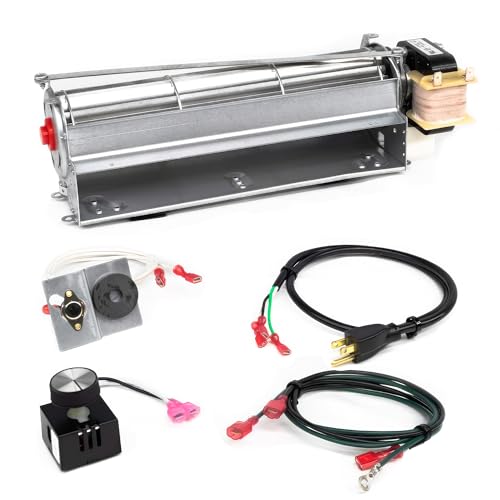
A 36-inch H-burner model is rated up to 125,000 BTU, depending on your gas supply pressure and supply line diameter. This heat rating supplies substantial warmth for outdoor enclosures and spacious hearth cavities. If you want to distribute warmth more actively around a living space, adding a fireplace blower accessory can help circulate ambient air around compatible fireboxes.
Can you cover the burner ports directly with fire glass or lava rock?
Yes, you can cover the burner with approved fire media, but you must avoid packing it too deeply over the ports. A light layer of fire glass or lava rock conceals the stainless steel tubing while allowing gas to disperse evenly. Covering the ports with too much dense media can trap gas, create delayed ignition pops, and lead to uneven flames.
What clearance is required when installing a linear burner indoors?
Indoor installations must maintain specific clearances to combustible mantels, walls, and flooring based on local building codes and firebox ratings. Traditional vented gas fireplaces provide designated exhaust paths to clear combustion byproducts safely outside. Always inspect your existing firebox enclosure and ensure adequate ventilation before retrofitting any high-BTU burner assembly.
Why is 304 stainless steel important for a gas burner?
Grade 304 stainless steel offers high resistance to heat warping and moisture corrosion compared to standard steel. Fireplace burners undergo repeated thermal expansion and contraction, which causes thinner metals to bow or crack. Heavy-wall 304 stainless steel maintains structural rigidity and keeps flame ports aligned over years of regular use.



Write Your Review
No reviews yet. Be the first to share your experience!